

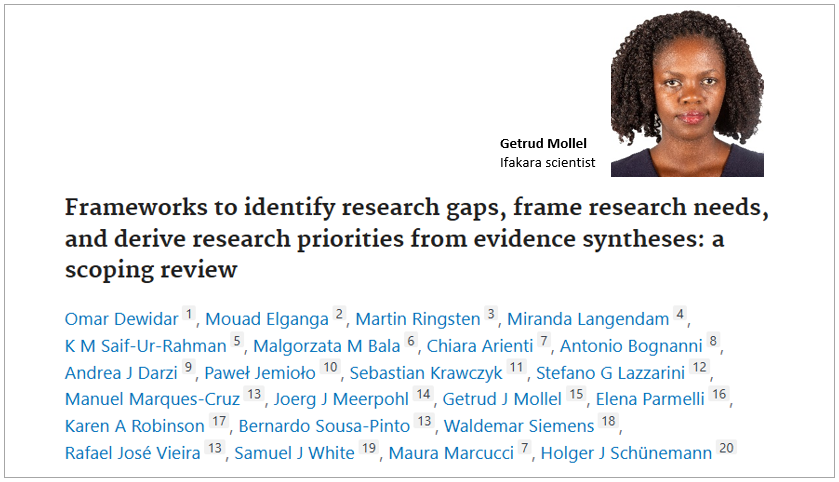
A snip from the Journal of Clinical Epidemiology with an inset of Ifakara Health Institute scientist Getrud Mollel who contributed to the study. GRAPHIC | IFAKARA Communications
REVIEW: Scientists call for transparency when setting future research priorities
Scientists are calling for a more transparent way of deciding which health questions should be investigated next, after a new review found that current approaches vary widely and often lack clear methods for setting p…

Group photo of the meeting attendees.
VISIT: Ifakara welcomes delegation from Philipps University of Marburg
On 9 July 2026, the Ifakara Health Institute hosted a delegation from Philipps University of Marburg, Germany, led by …
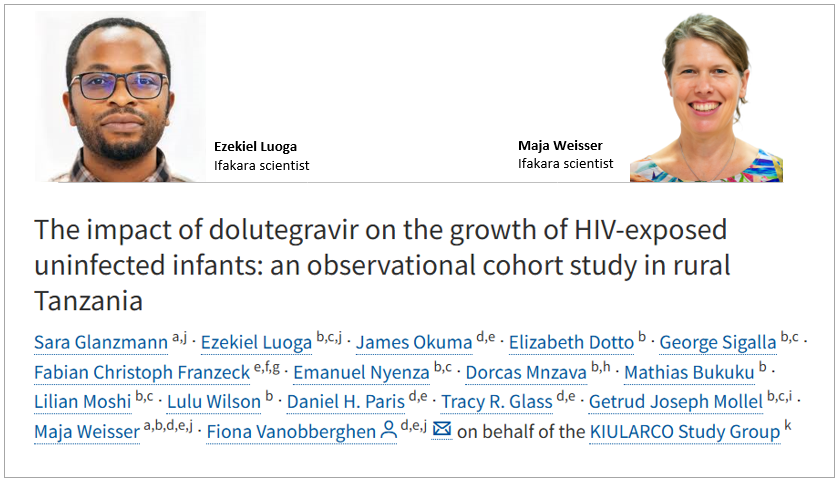
A snip from The Lancet eClinicalMedicine, with insets of Ifakara Health Institute scientists Ezekiel Luoga and Maja Weisser who contributed to the study. GRAPHIC | IFAKARA Communications
CONFIRMED: New evidence supports continued use of life-saving HIV medicine during pregnancy
A widely used HIV medicine taken during pregnancy does not appear to affect the growth of babies exposed to the drug before birth, according to a new study from Tanzania.
…

Photo: IFAKARA COMMUNICATIONS
VISIT: Education Minister calls for stronger research ecosystem to drive local health solutions
On 8 July 2026, the Ifakara Health Institute (IHI) hosted a high-level delegation led by the Hon. Prof. Adolf Mkenda, …
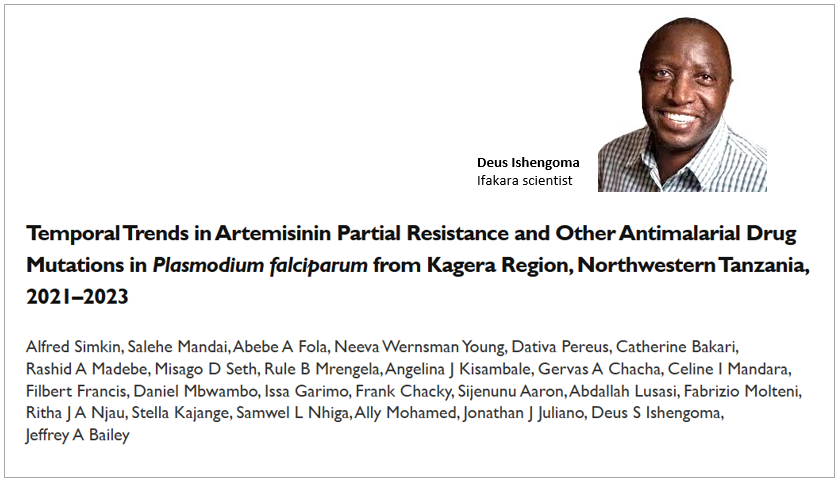
A snip from Frontiers in Genetics journal with an inset of Ifakara Health Institute scientist Deus Ishengoma, the co-last author of the study. GRAPHIC | IFAKARA Communications
MALARIA WARNING: Drug resistance mutation spreads across northwestern Tanzania
A key malaria treatment is still working—but warning signs are growing. A genetic mutation linked to reduced sensitivity to the world's most important malaria drugs is spreading across parts of northwestern …
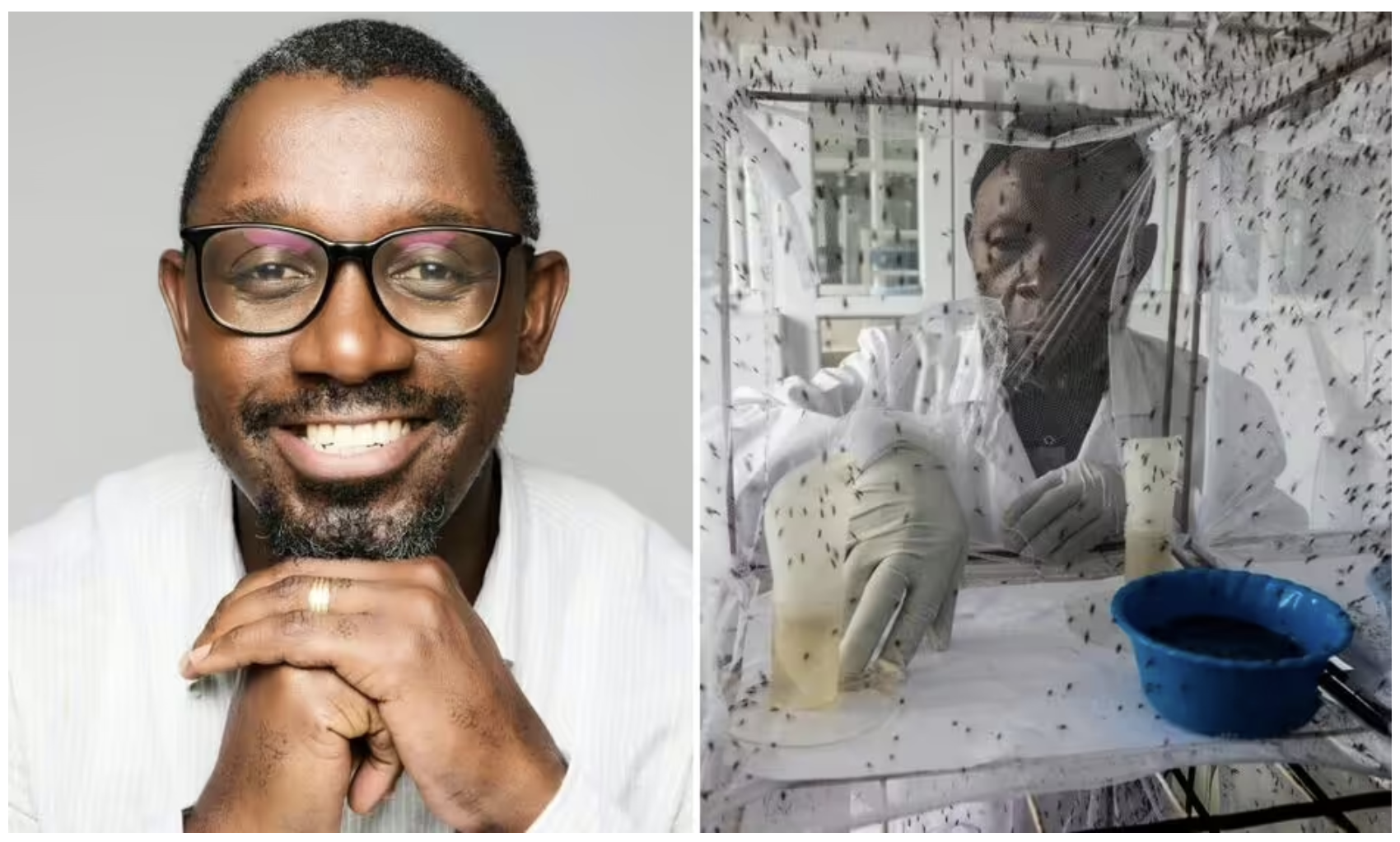
Dickson Wilson Lwetoijera is breeding malaria-resistant insects (Image: Rankin/Humphrey Nemar)
FEATURE: Ifakara scientist featured in international campaign on malaria
On July 7, 2026, one of Ifakara Health Institute's Principal Research Scientists, Dr. Dickson Wilson Lwetoijera, w…

Graphic: Ifakara Communications
COMMEMORATION: Saba Saba Day
Ifakara Health Institute joins the nation in commemorating Saba Saba Day, observed annually on 7 July in Tanzania. Kno…

A snip from the Cities journal with insets of Ifakara Health Institute scientists Alex Limwagu, Exavery Chaki, Fredros Okumu, and Yeromin Mlacha, who contributed to the study. GRAPHIC | IFAKARA Communications
HOUSING: Families in Dar are quietly reinventing the informal home, planners should take note
More than half of sub-Saharan Africa's city dwellers live in informal housing — built without architects, engineers, or permits — yet little is known about how these homes actually work or evolve. A ne…
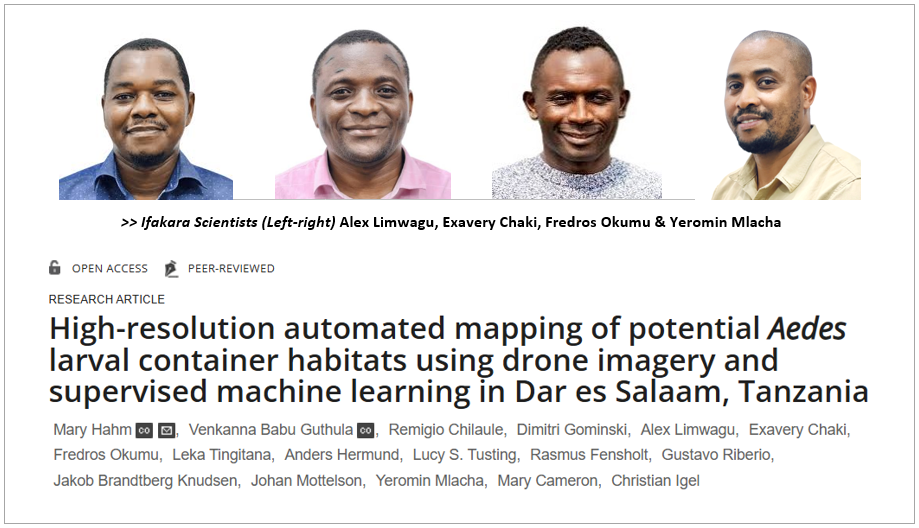
A snip from the PLOS Neglected Tropical Diseases journal with insets of Ifakara Health Institute scientists, Alex Limwagu, Exavery Chaki, Fredros Okumu and Yeromin Mlacha, who contributed to the study. GRAPHIC | IFAKARA Communications
INNOVATION: AI-powered drones help map hidden mosquito breeding sites in Dar es Salaam
Researchers in Tanzania and Europe have used drones and artificial intelligence to identify thousands of potential mosquito breeding sites across Dar es Salaam, in a development they say could strengthen the fight aga…
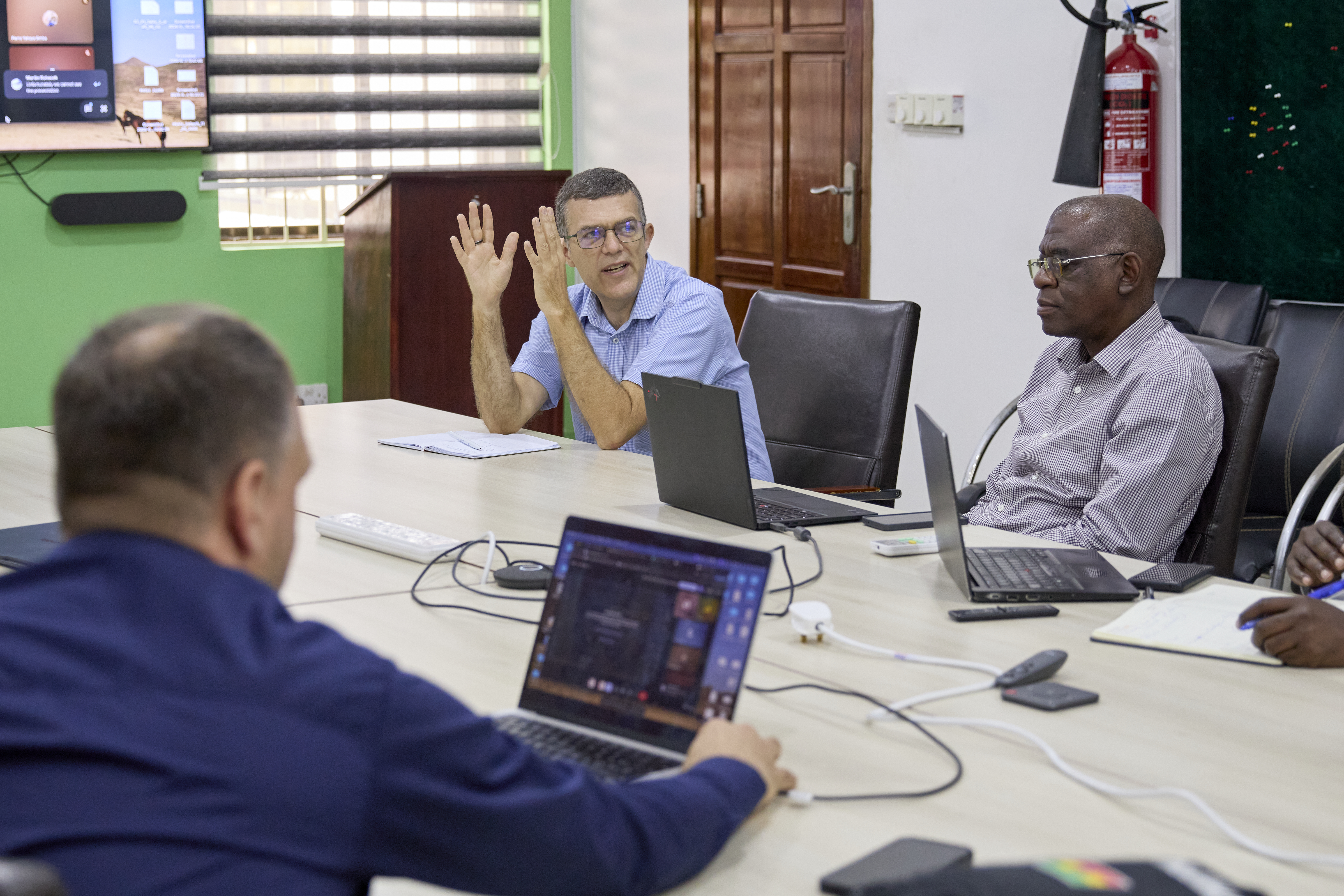
Dr. Colin Pfaff, Associate Director of the NCDI Poverty Network speaking during the meeting. PHOTO: Ifakara Communications
VISIT: Ifakara explores partnership to improve care and research for chronic diseases
On July 1, 2026, the Ifakara Health Institute (IHI) hosted Dr. Colin Pfaff, Associate Director of Programs at t…