

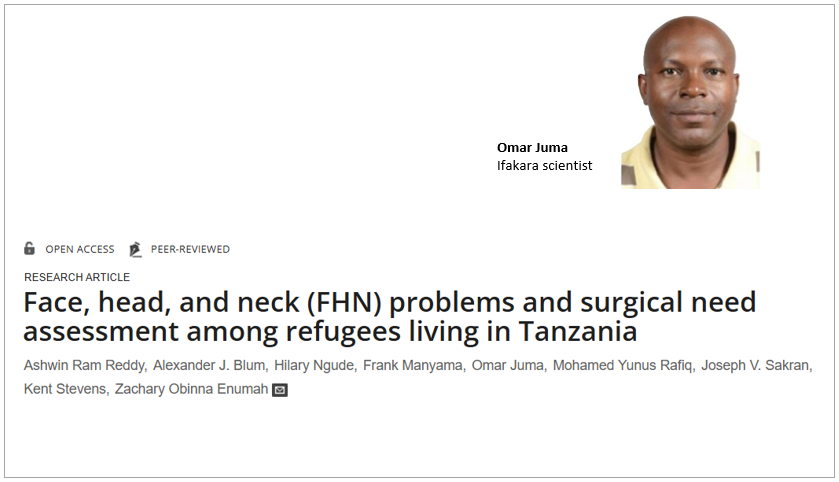
A snip from PLOS Global Public Health with an inset of Ifakara Health Institute scientist Omar Juma, who contributed to the study. GRAPHIC | IFAKARA Communications
SURGICAL CARE: Study reveals shortage for hundreds of refugees in Nyarugusu Camp
A recent study has revealed a high burden of untreated surgical conditions affecting the face, head, and neck (FHN) among refugees living at Nyarugusu Refugee Camp in western Tanzania.
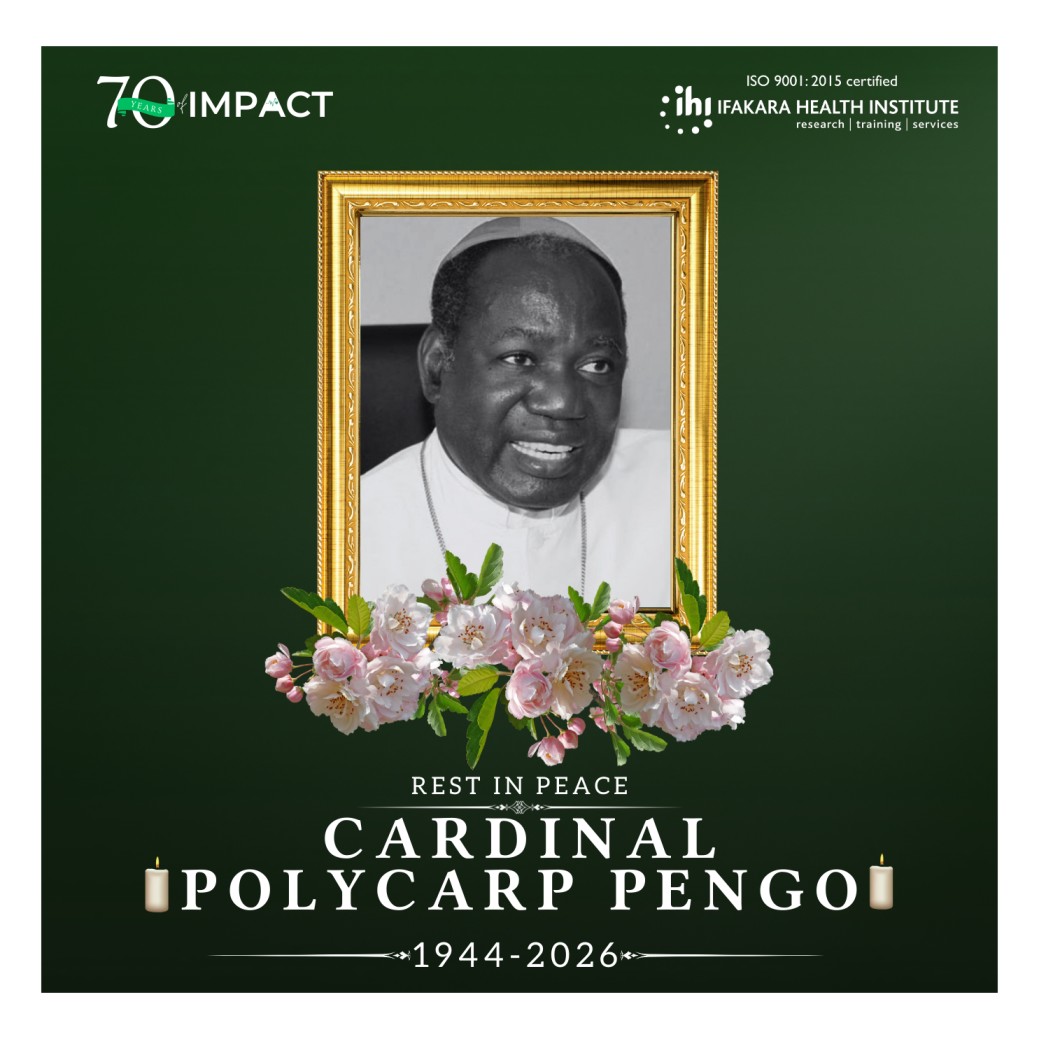
Poster designed by: IFAKARA COMMUNICATIONS
CONDOLENCES: Honouring a legacy of faith, service and science
We, at the Ifakara Health Institute, convey deepest condolences to the Catholic Church in Tanzania, the clergy, religious, and the entire Catholic faithful following the passing of Cardinal Polycarp Pengo, who died on…
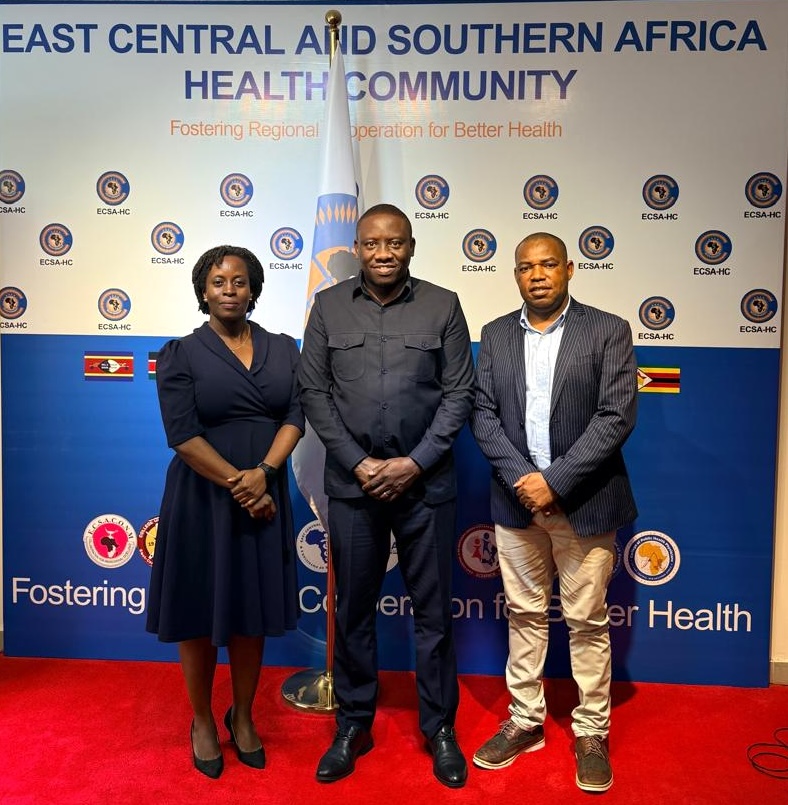
(L-R) Dr Grace Mhalu, Head of the Health Systems, Interventions, Impact Evaluation and Policy Department at Ifakara, Dr Ntuli Angyelile Kapologwe, the Director General of the East, Central and Southern Africa Health Community (ECSA‑HC) and Ifakara Research Scientist Donat Shamba.. PHOTO: IFAKARA Communications
COLLABORATION: Strengthening ties for health and well-being across Africa
On February 19, 2026 in Arusha, Ifakara Health Institute had a strategic engagement with Dr Ntuli Angyelile Kapologwe, the Director General of the East, Central and Southern Africa Health Community (ECSA‑HC) to explor…

Group photo of the workshop attendees and facilitators. PHOTO: IFAKARA Communications
WORKSHOP: Social scientists sharpen manuscript writing skills
From February 9–13, 2026, Ifakara Health Institute convened a Social Science Manuscript Writing Workshop in Moro…
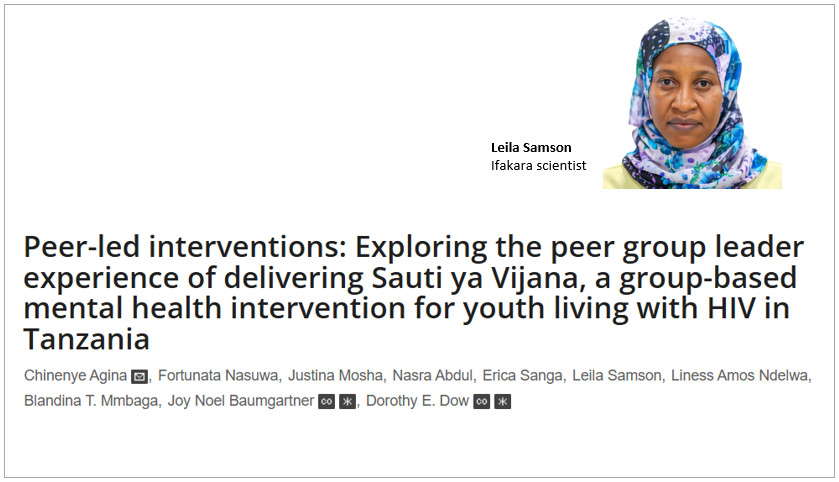
A snip from the PLOS Mental Health journal with an inset of Ifakara Health Institute scientist Leila Samson, who contributed to the study. GRAPHIC | IFAKARA Communications
MENTAL HEALTH: This peer support program offers opportunity to improve care for HIV positive youth in Tanzania
A peer-led mental health program is helping young people living with HIV in Tanzania cope better with their emotional challenges, offering a potential model for expanding care in places with few mental health professi…
Graphic: Ifakara Communications
HAPPY FASTING SEASON! Time of reflection, renewal, and shared humanity
With the annual holy fasting seasons beginning at the same time in 2026, the Ifakara Health Institute extends warm wishes and blessed holy fasting seasons to our Christian and Muslim partners in Tanzania and around th…
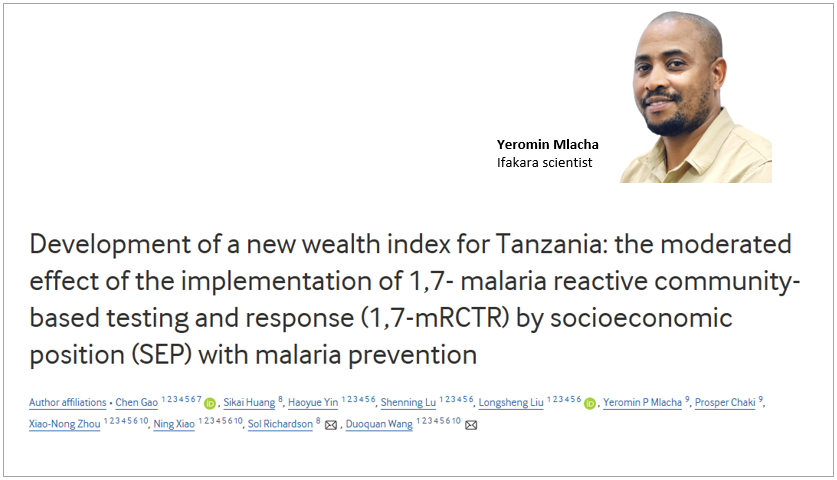
A snip from the BMJ Global Health journal with insets of Ifakara Health Institute scientists Yeromin Mlacha and Prosper Chaki, who contributed to the study. GRAPHIC | IFAKARA Communications
MALARIA: Rapid response to new infections delivers major gains for poor households
A malaria control strategy designed to respond quickly to new infections within communities has delivered the greatest benefits to poorer households in Tanzania, according to a study led by scientists from China and T…
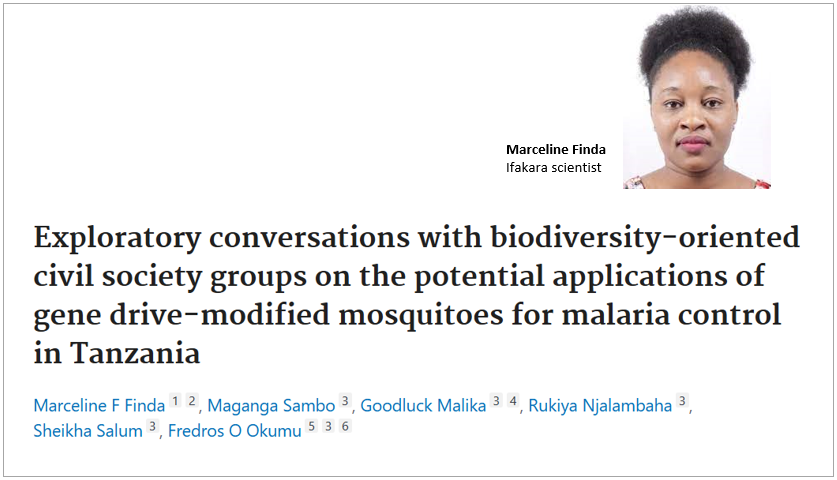
A snip from the Transgenic Research journal with an inset of Ifakara Health Institute scientist Marceline Finda, the lead author of the study. GRAPHIC | IFAKARA Communications
GENE DRIVES: Civil society voices on Tanzania’s path toward responsible use in fighting malaria
Tanzania’s commitment to investing in innovative malaria control strategies is opening a new chapter in the country’s public-health response, particularly the exploration of advanced genetic tools such as …
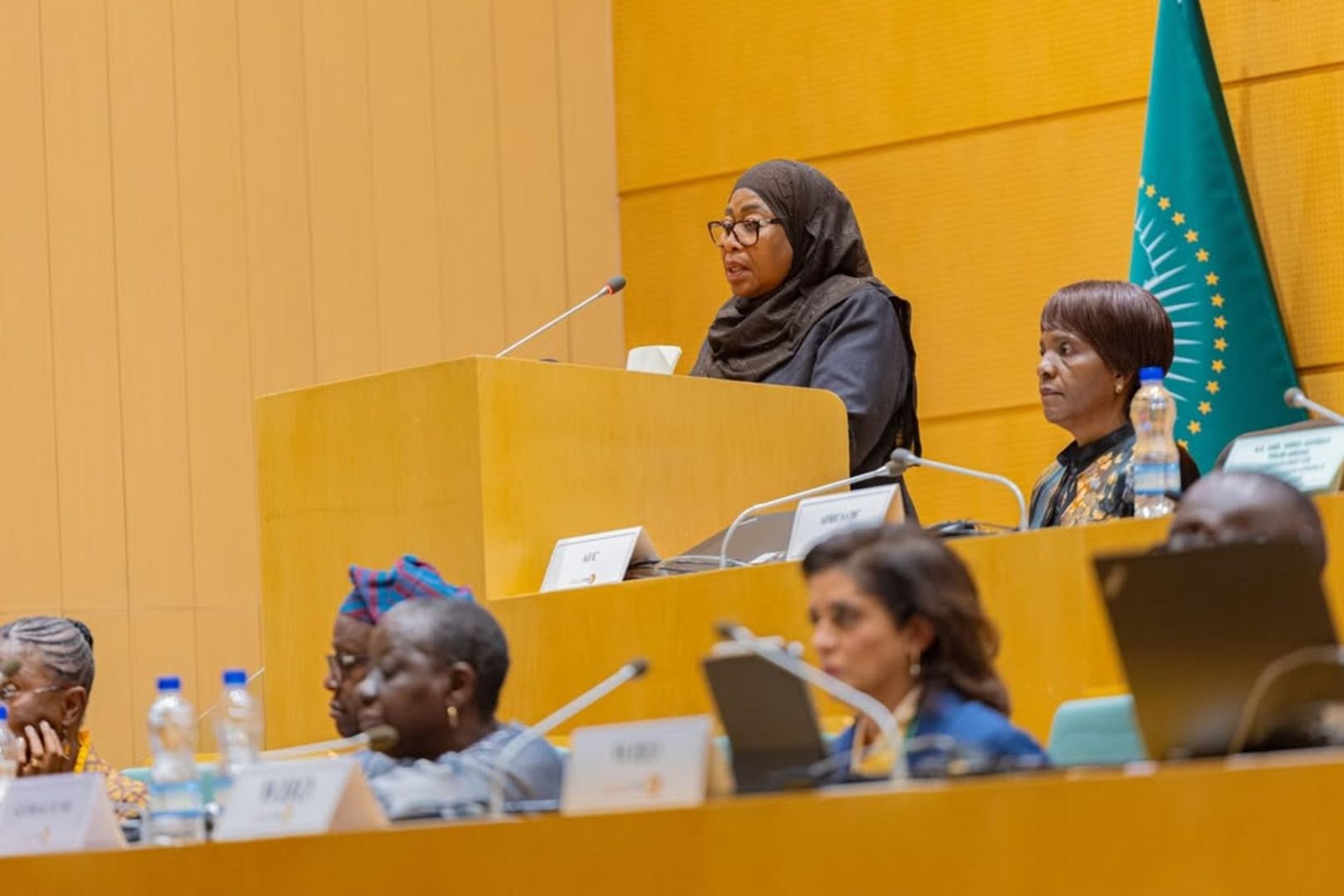
H.E. President Samia Suluhu Hassan of Tanzania speaks with journalists on sustainable financing for malaria eradication during a media briefing on the sidelines of the African Union Heads of State Summit in Addis Ababa, Ethiopia, on 14 February 2026. PHOTO | STATE HOUSE
PRESIDENTIAL MENTION: President Samia highlights Ifakara in call for sustainable malaria financing
At a high-level media briefing on sustainable financing for malaria control held on the sidelines of the Africa…
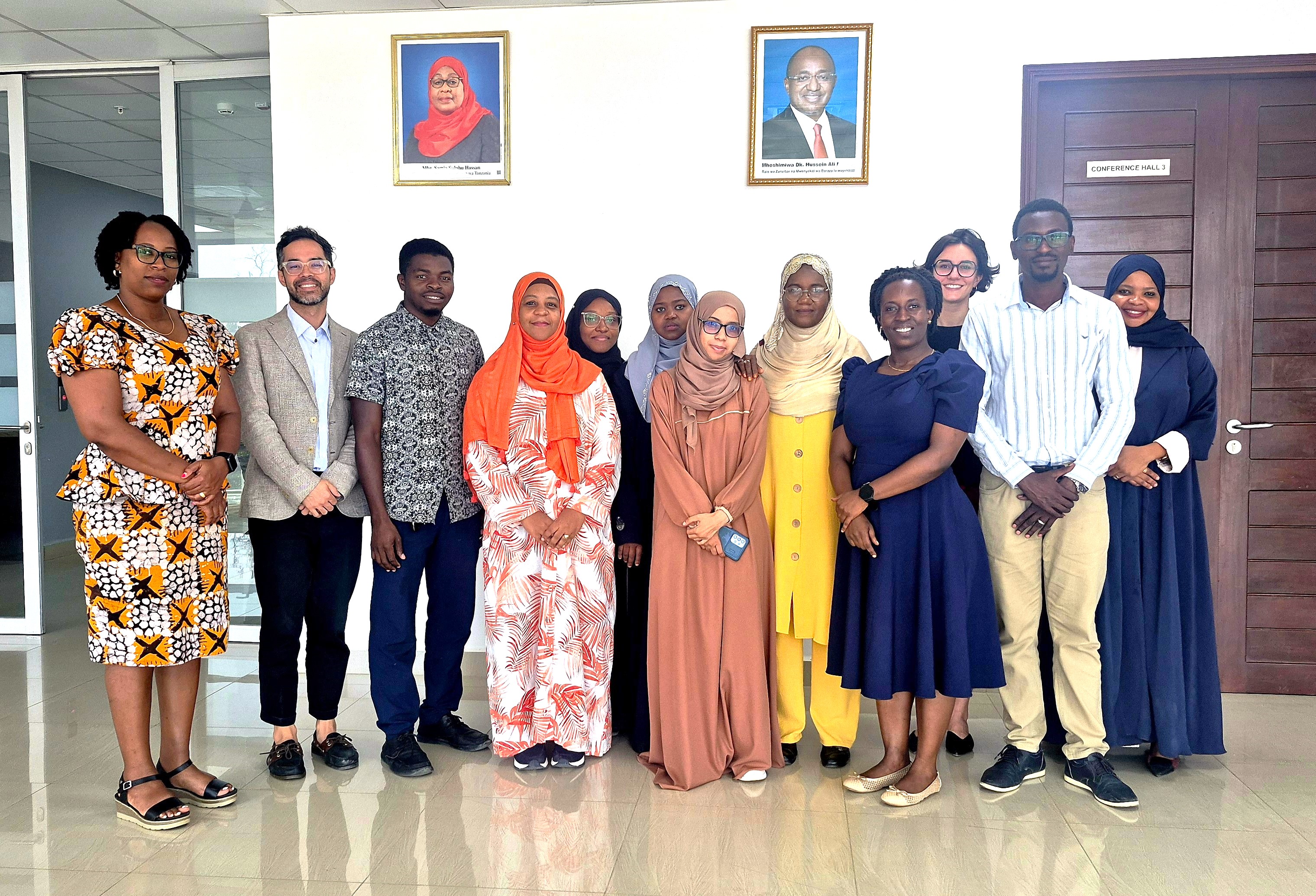
Group photo of the meeting attendees. Photo by Andrew Katende
MEETING: Ifakara, Z’bar experts review strategies for curbing antibiotic overuse
On February 12, 2026, the MOCA project, implemented by the Ifakara Health Institute in Ta…