

Principal Investigator: Prof. Nicodem Govella
Project leader/ Coordinator: Dr. Yeromin Mlacha
Project Administrator: Felix Brown
Funding Partner: Ministry of Health through NMCP
Start date: March 1, 2026
End date: Jan. 31, 2027
Insecticide Resistance Monitoring & Molecular Identification of Malaria Vectors
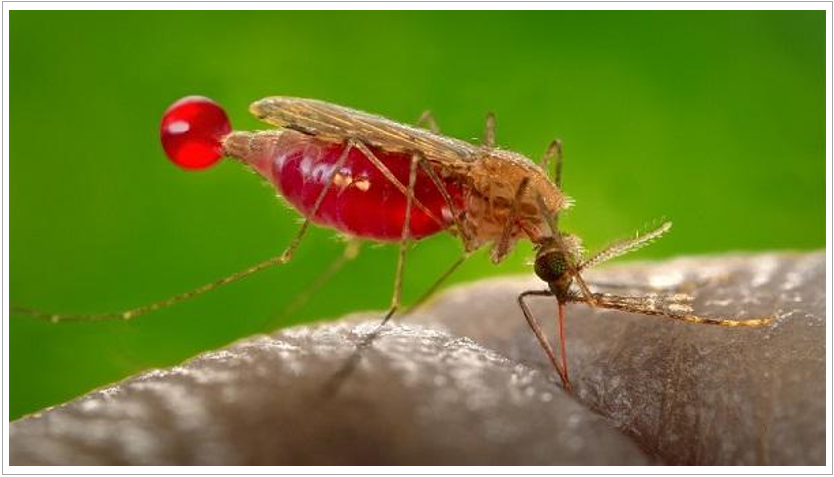
This project, led by the Ifakara Health Institute in collaboration with Tanzania’s National Malaria Control Programme (NMCP), aims to generate evidence to support the country’s goal of eliminating malaria by 2030. It focuses on understanding how malaria mosquitoes respond to commonly used insecticides and identifying the different species responsible for transmission.
Background
Malaria remains a public health challenge in Tanzania, and effective control depends heavily on understanding the behavior and characteristics of mosquito populations. Building on previous vector control and entomological studies, this project aims to provide updated data on how malaria vectors respond to commonly used insecticides and to better understand their species composition.
Study objectives
The primary objective of the project is to monitor insecticide resistance in Anopheles gambiae sensu lato, one of the main malaria vector groups. This involves assessing the susceptibility of mosquitoes to widely used public health insecticides. The secondary objective is to determine the species composition of malaria vectors using molecular techniques, which helps clarify transmission patterns and informs targeted interventions.
To achieve these objectives, the project will employ a cross-sectional survey conducted across eleven pre-established sentinel sites selected jointly by the project team and NMCP.
The project will also include molecular analysis to identify mosquito species within the Anopheles gambiae complex. At each sentinel site, a sample of mosquitoes is analyzed using Polymerase Chain Reaction (PCR) techniques. This allows researchers to distinguish between closely related sibling species that may differ in their role in malaria transmission.
Study team
Led by Principal Investigator Prof. Nicodem Govella and Project Leader Dr. Yeromin Mlacha, from the Ifakara Health Institute, the project is funded by the Ministry of Health through NMCP. The project will run for 10 months, from March 2026 to January 2027.
Overall, the project is expected to generate valuable insights into insecticide resistance patterns and mosquito species distribution in Tanzania. These findings will support evidence-based decision-making, strengthen vector surveillance systems, and contribute to the country’s broader efforts to eliminate malaria.
We're a Registered Charity Organization in Tanzania
Ifakara Health Institute (IHI) is officially recognized as a charitable organization under the Income Tax Act. Certification issued on 20 March 2025 and valid until 31 December 2030.
Ifakara Health Institute (IHI) is officially recognized as a charitable organization under the Income Tax Act. Certification issued on 20 March 2025 and valid until 31 December 2030.