
MEETING: Stakeholders explore new approach to strengthening micronutrient surveillance in Tanzania
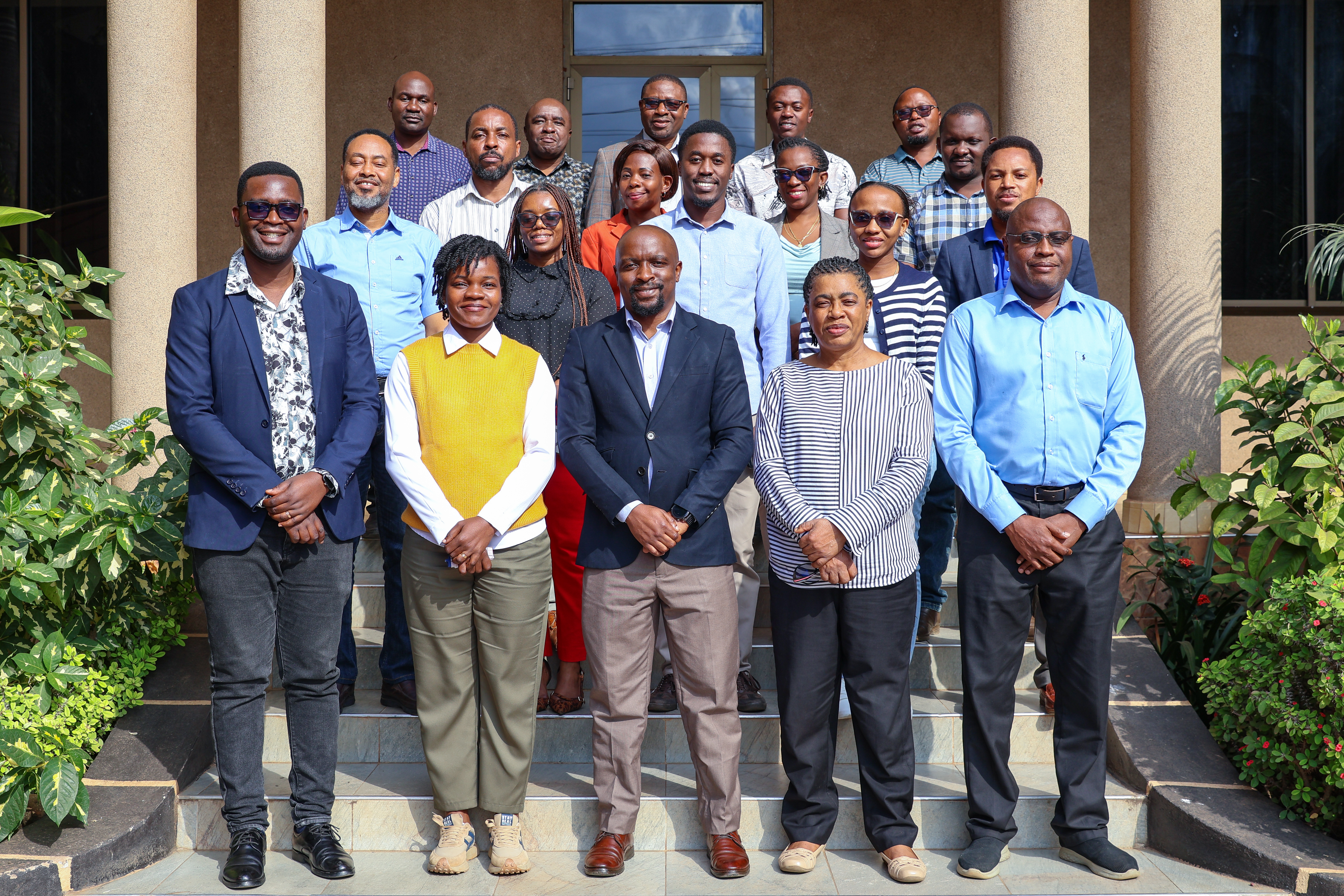
The Ifakara Health Institute (IHI), in collaboration with the Tanzania Food and Nutrition Centre (TFNC), Muhimbili University of Health and Allied Sciences (MUHAS), and the National Bureau of Statistics (NBS), convened national stakeholders on 23–24 July to explore the potential of using remnant biological samples to strengthen Tanzania’s National Micronutrient Biomarker Surveillance (NMBiS) system.
The meeting, led by Principal Investigator Dr. Ester Elisaria and Project Lead Arnold William, brought together representatives from government, research institutions, laboratories, universities, public health programmes and development partners to map existing platforms that generate and store remnant samples and identify opportunities for their sustainable use.
Remnant biological samples are leftover specimens from routine healthcare, disease surveillance programmes and research that would otherwise be discarded. When used ethically and under appropriate governance frameworks, these samples could provide a practical and cost-effective resource for micronutrient surveillance, reducing the need for costly stand-alone population surveys that require the collection of new blood samples.
Their use could help maximise existing biological resources, generate more timely and frequent nutrition data, and strengthen the evidence available to inform nutrition policies and programmes. The initiative therefore seeks to explore how existing samples and platforms can contribute to establishing a sustainable national micronutrient biomarker surveillance system.
During the meeting, stakeholders provided technical input on the availability and storage conditions of samples, ethics, consent, governance, data sharing, laboratory capacity and sample quality**, as well as opportunities to integrate existing surveillance systems and research platforms into a sustainable national framework.
The discussions marked an important step towards developing an approach that makes better use of existing biological resources while generating valuable evidence on micronutrient status. Through this collaborative effort, IHI and its partners are working towards a more sustainable, cost-effective and data-driven approach to micronutrient surveillance that can support stronger nutrition policies and programmes in Tanzania
We're a Registered Charity Organization in Tanzania
Ifakara Health Institute (IHI) is officially recognized as a charitable organization under the Income Tax Act. Certification issued on 20 March 2025 and valid until 31 December 2030.
Ifakara Health Institute (IHI) is officially recognized as a charitable organization under the Income Tax Act. Certification issued on 20 March 2025 and valid until 31 December 2030.