WORKSHOP: Ifakara scientists equipped with skills to turn research into impactful stories
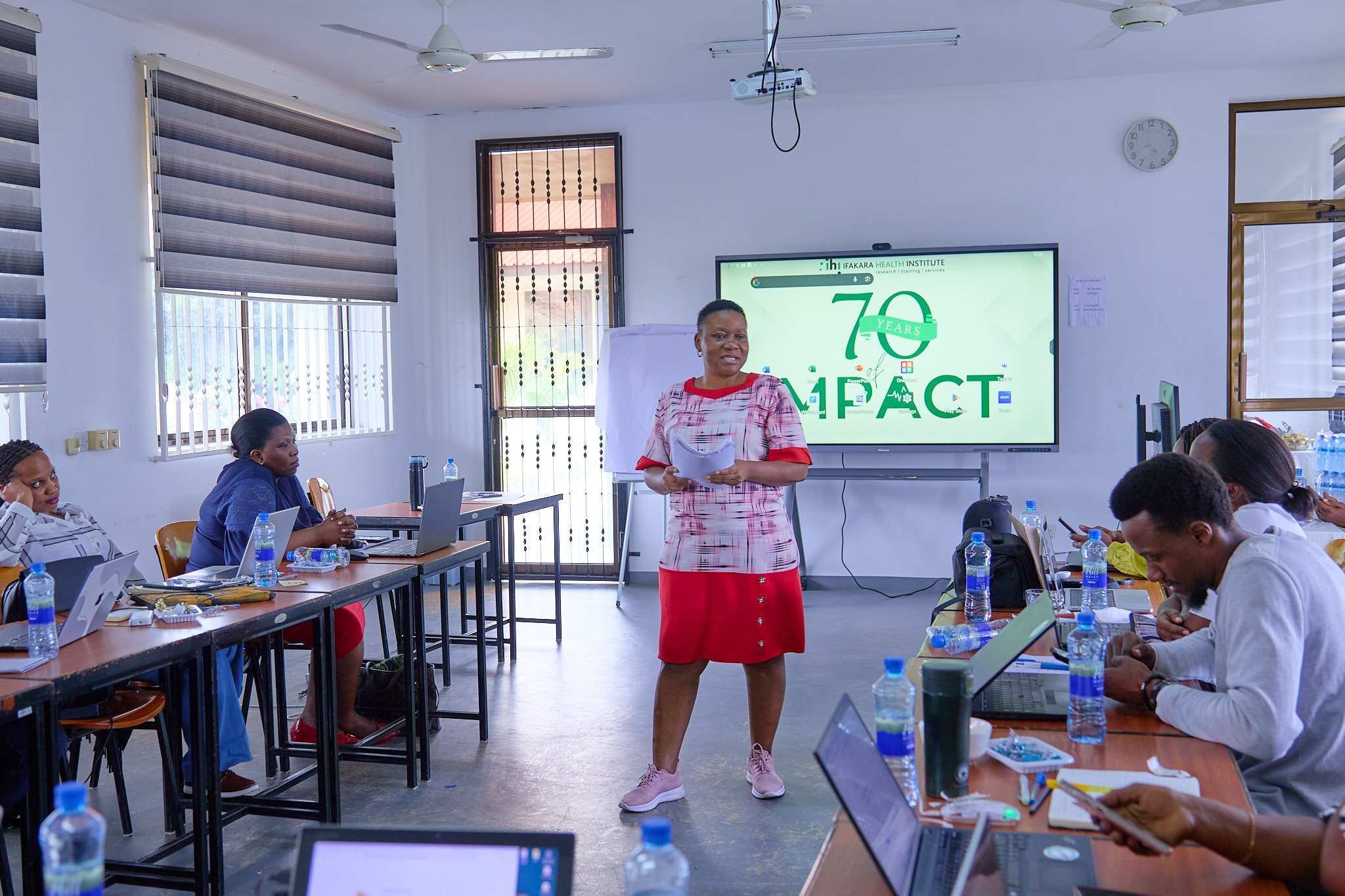
Scientists at Ifakara Health Institute this week participated in an intensive science communication workshop in Bagamoyo aimed at helping researchers transform complex scientific findings into clear, engaging stories that can improve public understanding.
The five-day workshop, titled "Telling a Science Story," brought together 13 early-career researchers from Ifakara's three research departments: Environmental Health and Ecological Sciences (EHES), Biomedical Research and Clinical Trials (BRCT), and Health Systems, Interventions, Impact Evaluation and Policy (HSIEP).
Organized by the Institute's Communications Office, the training forms part of Ifakara's commitment to strengthening knowledge translation, community engagement, and institutional visibility.
Making science easier to understand
Research findings often remain confined to scientific journals, making them difficult for policymakers, communities, and the media to access and understand. The workshop sought to address this challenge by equipping researchers with practical skills to communicate their work in simple, relatable language.
"Science only achieves its full impact when people understand it," said the Head of Ifakara's Training Center in Bagamoyo, Dr. Shubis Kafuruki, during the opening session. "Researchers need to be able to explain not only what they discovered, but why it matters to people's lives."
Learning the art of storytelling
Throughout the week, participants learned how to write compelling science stories, simplify technical information for non-specialist audiences, engage effectively with journalists, and confidently present research findings on camera.
The training combined classroom sessions with hands-on practice, allowing participants to apply newly acquired skills using their own research projects and published studies. Researchers developed news stories, media talking points, and social media content while receiving expert feedback from experienced science communication professionals.
From writing to multimedia communication
Participants also received practical training in photography, videography, and media interviews. They prepared and recorded short video presentations based on their research and received guidance on messaging, presentation techniques, and effective audience engagement.
The workshop was facilitated by veteran Tanzanian journalist and science communication expert Agnes Mbapu alongside Ifakara's Head of Communications, Bilal Mpembamoto. Additional sessions were delivered by Communication Officers Silma Swaibu and Saburi Seif, who guided participants on digital communication, social media engagement, photography, videography, and visual storytelling.
Supporting greater research impact
By strengthening researchers' ability to communicate evidence clearly and effectively, the workshop supports Ifakara's broader mission of ensuring that scientific findings extend beyond academic journals to inform decision-making, empower communities, and contribute to improved public health outcomes