
NEWBORN CARE: Commemorating Immediate Kangaroo Mother Care
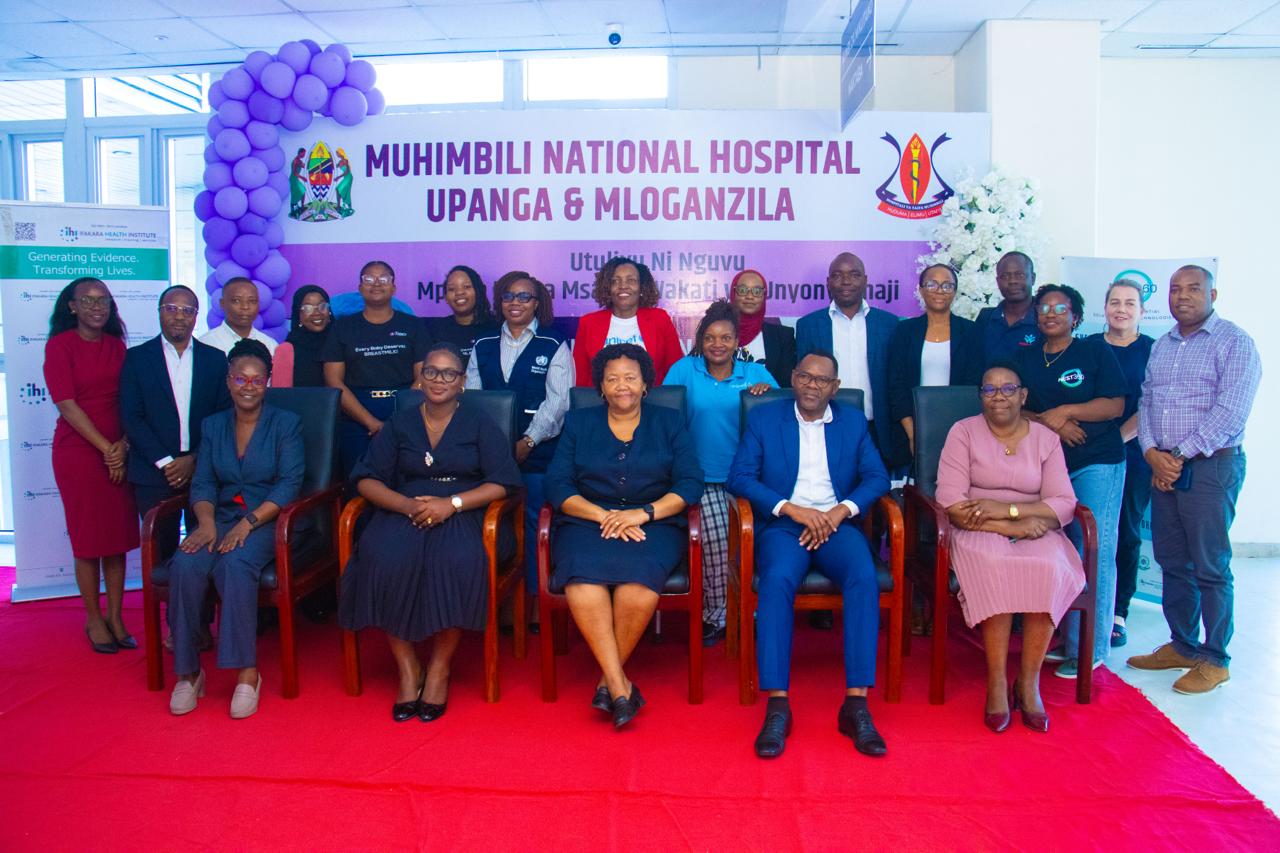
Stakeholders in newborn health convened on May 22, 2026, at the Muhimbili National Hospital, Mloganzila, to commemorate Immediate Kangaroo Mother Care (iKMC) Day during an engagement organized by the Ministry of Health and Muhimbili National Hospital.
The Ifakara Health Institute, through its NEST360 program, joined the commemoration as part of ongoing efforts to support improved care and survival for premature and vulnerable newborns in Tanzania.
“We know that keeping mother and baby together reduces separation, strengthens bonding from the very beginning of life, reduces hypothermia, lowers the risk of infection, and promotes early initiation of breastfeeding,” said Dr. Masanja, highlighting the impact of Kangaroo Mother Care in improving outcomes for newborns.
Mother-Newborn Intensive Care and Human Milk Banks
The engagement also highlighted the role of the newly built Mother-Newborn Intensive Care Unit (M-NICU) at the facility, which allows mothers and babies to remain together even while receiving intensive care. The model not only improves survival, but also strengthens breastfeeding, reduces infections, and provides emotional support to families during critical moments of care.
Another key focus of the discussions was advocacy for the establishment of Human Milk Banks, recognized as an important intervention for ensuring access to safe breast milk for infants who are unable to breastfeed directly, particularly premature and sick newborns.
Dr. Masanja further emphasized that successful implementation and scale-up of these interventions depend on coordinated efforts across the healthcare system.
“Collaboration between the labour ward, theatre, obstetrics teams, and newborn care units is the foundation for successful implementation,” he noted. “Immediate KMC depends on a smooth continuum of care for both mother and baby, and ultimately requires teamwork, ownership, and committed leadership.”
Impact at the facility so far
So far, 35 newborns have benefited from iKMC and M-NICU services, while preparations for the Human Milk Bank continue to progress following the collection of more than 521 litres of breast milk.
Beyond raising awareness, the event reinforced the importance of partnerships among newborn health stakeholders in advancing proven interventions that contribute to improved neonatal survival and quality of care across Tanzania.