

RABIES: Tanzania still faces barriers to lifesaving treatment
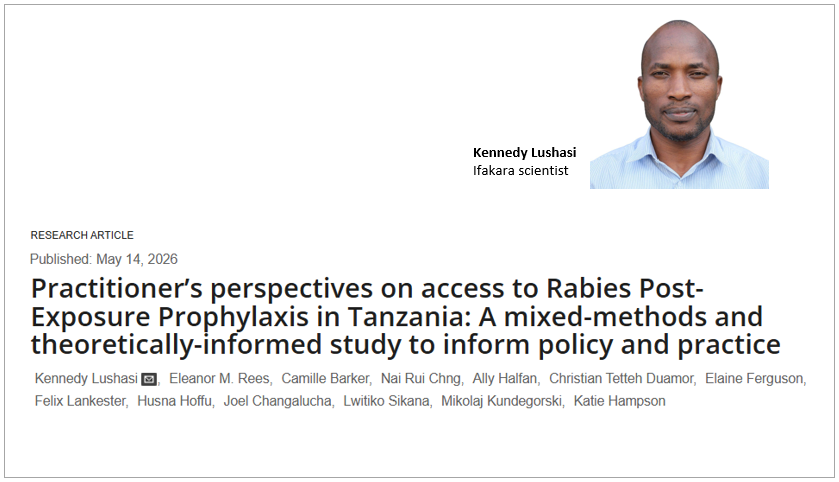
In a new study, researchers in Tanzania and the UK have warned that vaccine shortages, long travel distances and treatment costs continue to put dog-bite victims at risk in Tanzania, despite rabies being preventable with timely medical care.
The study results, published in PLOS Global Public Health last week, examined the experiences of healthcare workers and veterinary officers involved in rabies prevention and treatment across Lindi, Mtwara, Mara and Morogoro regions.
Led by Kennedy Lushasi from Ifakara Health Institute, the research was conducted in collaboration with scientists from the University of Glasgow.
Why this matter
Rabies remains one of the world’s deadliest neglected tropical diseases, yet it is entirely preventable with timely vaccination after exposure. The findings highlight how gaps in vaccine access, affordability and healthcare delivery continue to place vulnerable communities at risk, particularly in rural areas.
Researchers say improving access to PEP will be critical for Tanzania and other rabies-endemic countries to meet the global “Zero by 30” target of ending dog-mediated human rabies deaths by 2030.
Thousands of bite cases analyzed
Researchers analyzed more than 10,000 bite-patient records collected between 2018 and 2024, alongside hotline reports and professional discussions among health and veterinary staff.
Rabies is a viral disease usually spread through dog bites. Once symptoms appear, the disease is almost always fatal. However, deaths can be prevented through Rabies Post-Exposure Prophylaxis (PEP) — a life-saving medical steps taken immediately after any bite.
According to the study, rabies is estimated to kill around 900 people annually in Tanzania, with most cases linked to dog bites.
Vaccine shortages, long distances disrupt treatment
The findings showed that many health facilities regularly ran out of rabies vaccines, forcing patients to travel long distances in search of treatment.
Most facilities offering rabies vaccines are located in urban and semi-urban areas, leaving rural communities with limited access. On average, patients had to travel about 34 kilometers to reach treatment centres.
In some cases, patients were required to make repeated long-distance trips to complete the recommended vaccine schedule, increasing risks.
Treatment costs remain a burden
Beyond vaccine shortages and distance, treatment costs were another major obstacle.
Patients often struggled to afford vaccine fees, transport costs and time away from work linked to repeated clinic visits.
According to the scientists, high treatment costs led some patients to delay treatment, abandon PEP midway or turn to traditional remedies.
“Financial constraints represent a universal barrier to PEP access across rabies-endemic countries… Even when victims recognize the importance of PEP, costs can be prohibitive,” noted the authors
Gaps in health system preparedness
The study also identified weaknesses within the healthcare system, including inconsistent management of bite cases and limited availability of trained staff in some facilities.
In other cases, patients bought vaccines from unregulated private providers after failing to find them in public health facilities, raising concerns about vaccine quality and proper administration.
Recommendations to improve access to rabies treatment
Following the findings, the researchers called for stronger investment in rabies vaccine availability and affordability, expanded access to treatment in rural communities, and improved training and support for healthcare workers managing bite cases.
They also emphasized the need for more community awareness on the importance of seeking immediate medical care after animal bites and completing the full PEP vaccine schedule.
They concluded that lessons from Tanzania highlight the need for “context-sensitive and equity-focused strategies” to maximize the impact of Gavi, the Vaccine Alliance investments and accelerate progress towards the global “Zero by 30” goal.
Read the publication, here.