
TOUR: Ifakara visits The Kids Research Institute in Australia
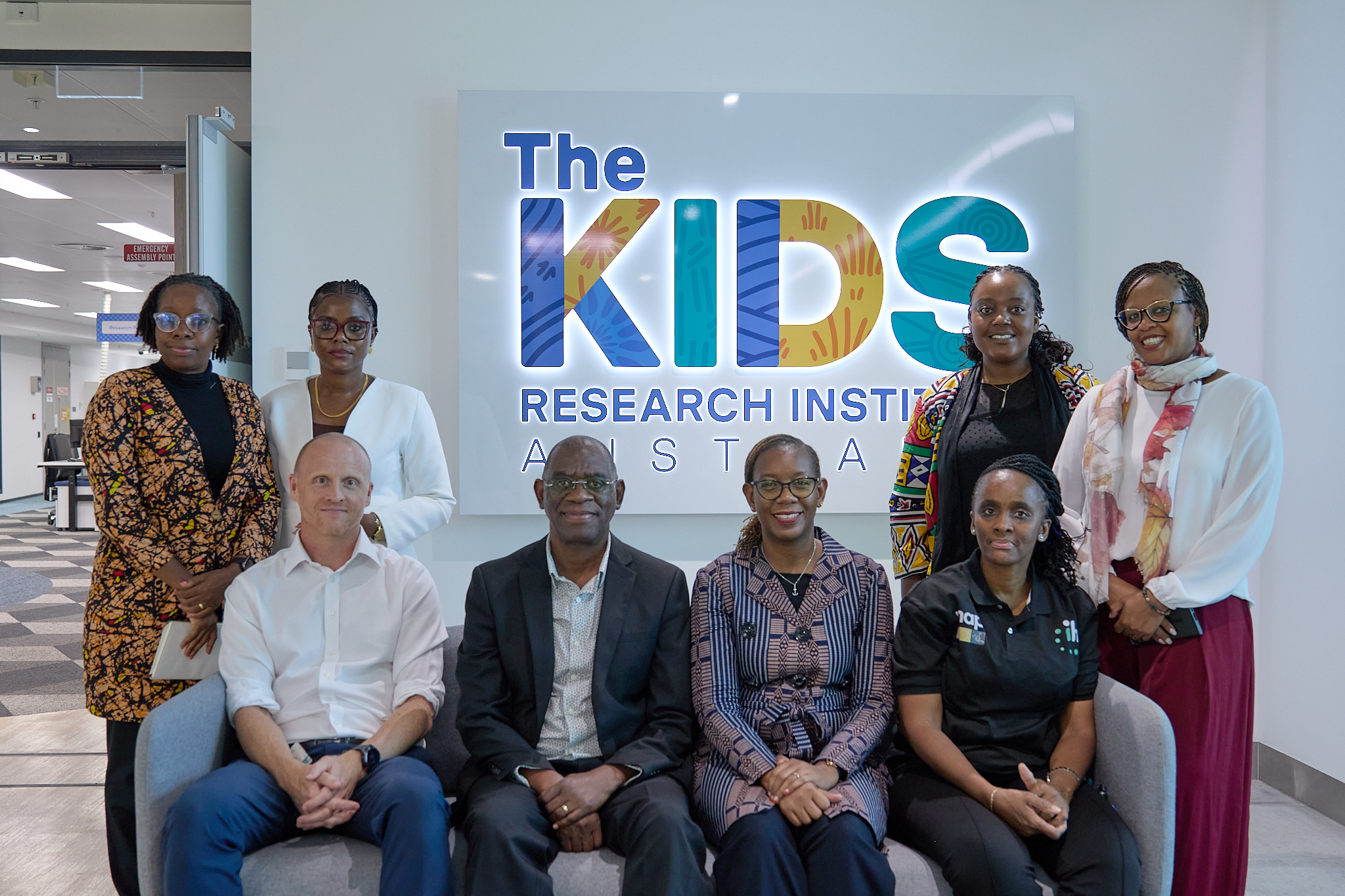
From 28 April to 1 May 2026, the Ifakara Health Institute undertook a strategic knowledge-sharing visit to The Kids Research Institute Australia in Perth, organised by the Malaria Atlas Project (MAP).
MAP is a single global team with staff based at both The Kids and Ifakara (MAP Dar es Salaam Node).
The delegation was led by Dr. Honorati Masanja, Chief Executive Director, and included Dr. Susan Rumisha (MAP Lead, MAP Dar Node) and Sosthenes Ketende (MAP Project Manager, MAP Dar Node), alongside Tabi Kibukila (Head of Projects Accounting), Dr. Zawadi Mageni Mboma (Business Development & Partnerships Specialist), Doris Rushekya (Senior Admin & HR Manager), Jane Moshi (Communications Officer) and Juliette Mutheu (Lead Consultant, Science Communication Strategist at SciLink Global)
The visit focused on strengthening existing ties and exploring areas of shared interest, while deepening opportunities for learning and future collaboration across key areas of work.
To familiarize the delegation with the institution and MAP project, Prof. Andrew Whitehouse, Deputy Director of The Kids, provided an overview of the institute, while Prof. Peter Gething, MAP Lead at MAP Perth, presented the history and evolution of the project.
Operational Learning and Institutional Exchange
A significant part of the visit focused on structured peer-to-peer sessions between teams. These covered communications, finance, human resources, partnerships, and business development.
Rather than focusing only on systems overview, discussions examined how each institution manages day-to-day workflows, coordination mechanisms, and internal decision-making processes. A central theme was how operational structures can better support scientific delivery, particularly within distributed, cross-country teams such as MAP.
Research Seminar Engagement
At The Kids Research Seminar Series, Dr. Masanja offered a broad account of Ifakara’s work, its long engagement with malaria research, its role in strengthening health systems, and its focus on implementation science across African settings.
Scientific Exchange and Thematic Discussions
The scientific programme brought together researchers from both institutions in thematic sessions spanning infectious diseases, early childhood health, malaria, and data modelling. These discussions ranged from epidemiology, vaccine research, implementation science, and prevention strategies to early childhood priorities such as immunology, breastfeeding, and neonatal health, with a shared emphasis on translating evidence into real-world health impact.
Additional sessions explored child health analytics, infectious disease ecology, global disease modelling, geospatial analysis, and tuberculosis modelling, underscoring the growing role of data-driven approaches in supporting prediction and public health decision-making.
Ifakara also shared its priority research areas, including climate-sensitive diseases, antimicrobial resistance (AMR), and broader public health impact, helping to surface clear areas of shared scientific interest.
The programme also included a guided tour of laboratory facilities at The Kids, giving the delegation a practical view of the institute’s rich research environment and technical infrastructure.
Looking ahead
The visit opened up space for new conversations that will continue to shape how both institutions connect and work together going forward. Ifakara Health Institute looks forward to seeing these exchanges grow into deeper, sustained efforts that further strengthen this partnership over time.