KEY MESSAGE: Science alone won’t end TB—Communities will!
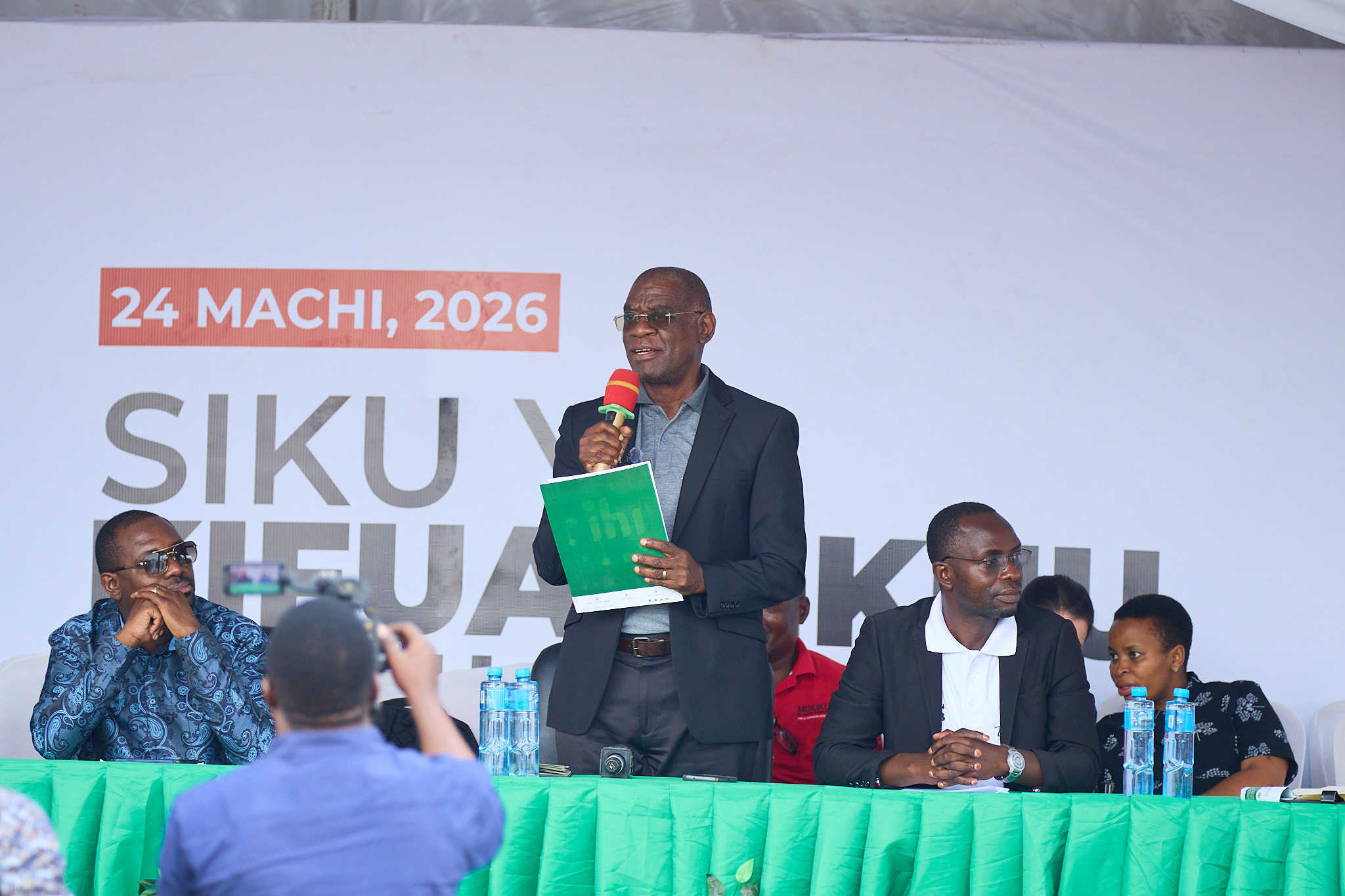
“Tanzania has a real opportunity to end tuberculosis—through local leadership, science, and community-driven action. But science alone cannot do it. The most powerful force we have is the people.”
That was the clear and urgent message from Dr. Honorati Masanja, Executive Director of Ifakara Health Institute, as Tanzania joined the world to mark World Tuberculosis Day today.
This year’s global theme—Yes! We Can End TB! Lead by Countries! Powered by People!”—is more than a slogan. It reflects a growing reality: ending TB is possible, but only if countries take charge, communities stay engaged, and investments in science and innovation continue.
In Dar es Salaam, the Institute stood side by side with the Government of Tanzania, partners, and communities at the national commemoration held at Mbagala Zakhem Grounds. The event was officiated by Sixtus Mapunda, who called for stronger, united action against TB.
Tanzania’s progress—and promise
Dr. Masanja highlighted something many may not realize: Tanzania is quietly becoming a global example in the fight against TB. The country is among just three high-burden nations on track to cut TB cases by half by 2025—and one of thirteen aiming to reduce TB deaths by 75%.
Behind these numbers are real people: health workers reaching communities, patients seeking care, and researchers generating solutions locally.
Real progress, backed by data
According to the World Health Organization Global TB Report 2024, Tanzania’s progress is striking:
TB incidence has dropped by 40% (from 306 per 100,000 people in 2015 to 183 in 2023).
TB deaths have fallen by 68%.
Treatment success has reached 96%, beating global targets.
These gains show what works: strong health systems, evidence-based interventions, and community involvement.
Ifakara’s role: turning science into impact
For over a decade, Ifakara has been at the forefront of TB research and care—helping shape global guidelines, establishing specialized clinics, and advancing new tools to fight the disease.
Today, its work spans:
- Testing new TB vaccines
- Developing shorter, more effective treatments
- Using advanced technologies to understand how TB spreads
But the message from Mbagala was clear: progress is not the finish line.
The road ahead
TB remains a serious public health challenge. Ending it will require bold leadership, sustained funding, and people-centered approaches that leave no one behind.
As Dr. Masanja put it, the solution is not just in laboratories or policies—it is in communities. Because in the end, ending TB is not just a scientific goal. It’s a shared responsibility.
And yes—together—we can end TB.