MASTERCLASS: Ifakara hosts TB discussion
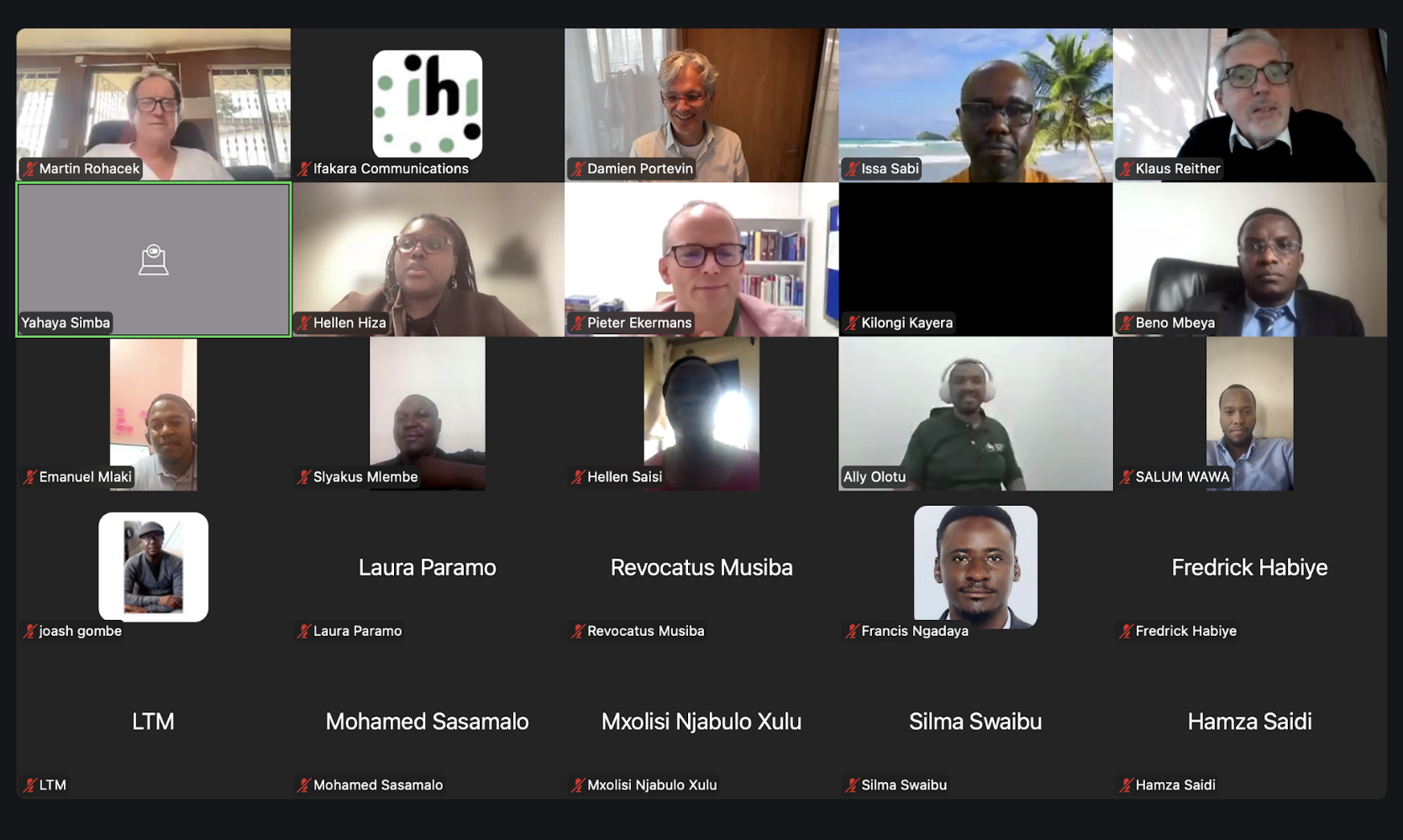
As part of its 70 Years of Impact commemorations, the Ifakara Health Institute (IHI) successfully hosted a Virtual High-Level Dialogue and Technical Masterclass on TB Diagnosis on 23 March 2026 (14:00–16:30 EAT), ahead of World Tuberculosis Day.
The milestone event brought together leading scientists in TB research to reflect on Africa’s growing leadership in tuberculosis research and implementation, while advancing knowledge and strengthening collaboration toward ending TB.
Hosts and speakers
The session was hosted by Dr. Yahaya Simba, alongside Dr. Jackline Nkouabi, who guided the discussion and framed the sessions. The high-level panel discussion, titled “Redefining Africa’s Role in TB Research and Practice”, featured Dr. Honorati Masanja, Chief Executive Director of Ifakara; Dr. Riziki Kisonga, Manager of the National Tuberculosis and Leprosy Programme; Dr. Issa Sabi from the National Institute for Medical Research; Dr. Beno Mbeya from Ifakara; and PD Dr. Damien Portevin from Swiss TPH. The panelists shared insights on Africa’s evolving role in TB research and practice, highlighting the importance of evidence-based interventions, innovation, and regional collaboration.
The technical masterclass provided participants with practical, evidence-based learning on TB diagnosis. Presentations were delivered by Prof. Klaus Reither from Swiss TPH, who spoke on chest X-ray interpretation in adult TB diagnosis and updates on CAD innovations. Dr. Omary Ngome and Veronica Misana from Ifakara covered the diagnosis of pulmonary TB using respiratory specimens, while Dr. Hellen Hizza presented on blood-based TB diagnostic assays. PD Dr. Martin Rohacek, in collaboration with Dr. Omary Ngome, shared insights on extrapulmonary TB diagnosis, drawing lessons from the eFASH approach.
The event concluded with closing remarks from Dr. Ally Olotu, Director of Science at Ifakara Health Institute, who emphasized that the key to ending TB lies in collaboration with partners and, most importantly, with communities.
He underscored that sustained progress against TB requires coordinated action, strong partnerships, and meaningful community engagement to ensure that research and innovation translate into real-life impact.