

MEETING: Ifakara’s Transmission Zero team convenes stakeholders to review project progress
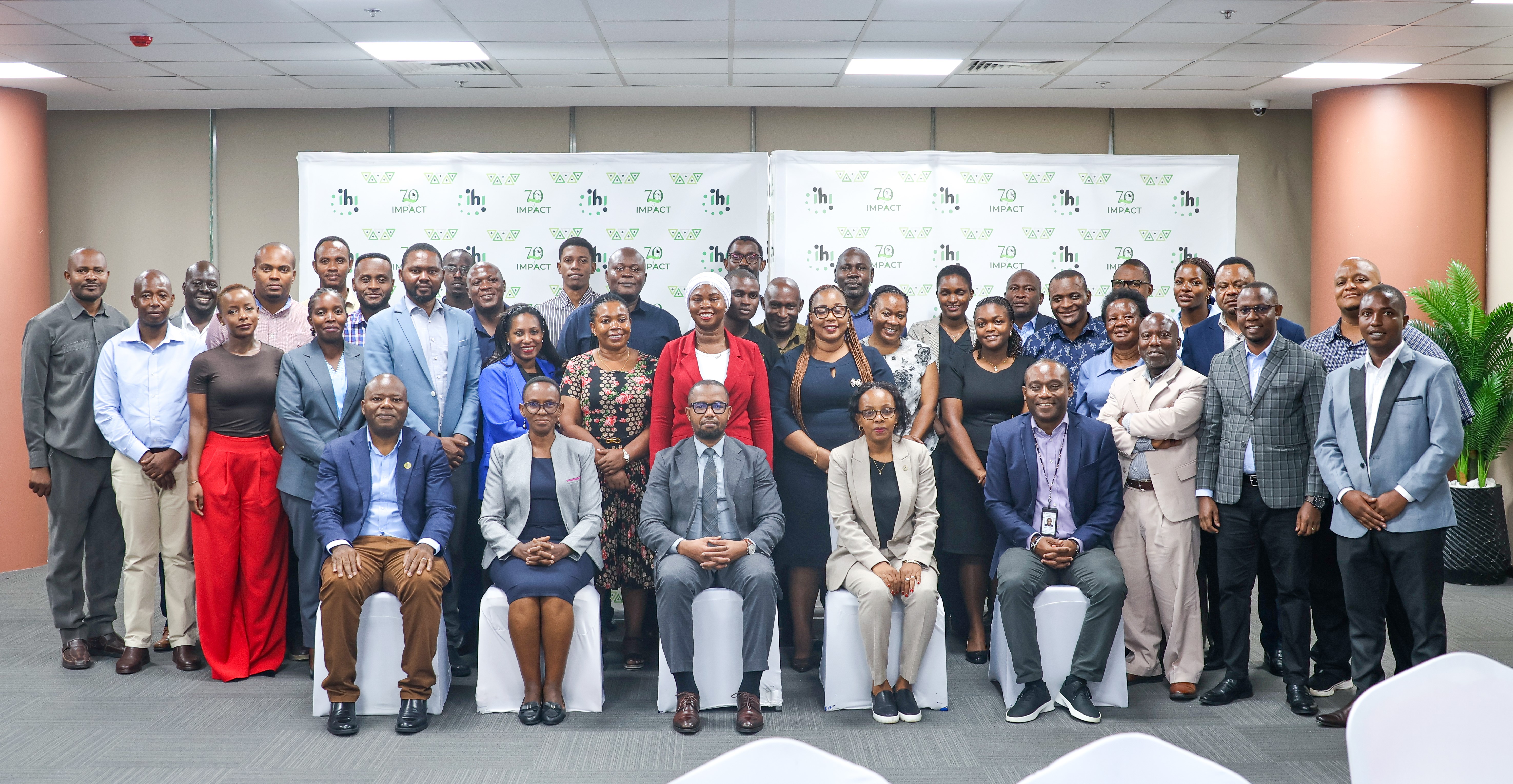
The Transmission Zero Program’s team at the Ifakara Health Institute hosted key stakeholders from government and research institutions in Dar es Salaam on March 17-18, to review progress and strengthen collaboration on the Transmission Zero project, an international research programme working to develop innovative genetic tools to stop malaria transmission.
The project is African-led by Scientists from Ifakara Health Institute in collaboration with Imperial College London in the United Kingdom, National Institute for Medical Research in Tanzania and Swiss Tropical and Public Health Institute in Switzerland. This collaborative model is paramount in ensuring sustainable capacity strengthening through infrastructure development, and knowledge and technology outputs.
The meeting brought together members of the National Biosafety Committee (NBC) and ministerial authorities, and representatives from the International Union for Conservation of Nature (IUCN) to discuss program progress, challenges and considerations for introducing the program at scale.
Why collaboration for innovation matters
Opening the meeting, Ifakara Research Scientist Dr. Brian Tarimo emphasized the importance of collaboration in advancing innovative genetic based approaches to disease control. He said the institute remains committed to research that supports malaria elimination efforts.
Dr. Tarimo reaffirmed the Institute’s commitment to breakthrough research, referencing remarks by H.E. Dr. Samia Suluhu Hassan, President of the United Republic of Tanzania, who recently highlighted the role of local research institutions in advancing innovation during a high-level briefing held alongside the African Union Heads of State Summit in Addis Ababa.
President Samia's remarks precisely resonate with most recent Wellcome Trust global health reform and Africa Health Security and Sovereignty agendas, both prioritizing equitable, locally led and Africa's ability to control its own research agenda. During the briefing, the President of Tanzania acknowledged the Institute’s contribution and investment in world-class gene-drive research and innovation as a transformative approach towards defeating malaria.
Opening remarks: Government support for scientific progress
Delivering remarks as the chief guest, Mr. Thomas Chali, Acting Director of Environment in the Office of the Vice President of Tanzania, said the country has built a strong foundation to advance scientific research locally. He added that the government supports innovations that deliver public benefit, including gene-drive technologies being studied under the Transmission Zero project.
“We have reached a point where we can confidently say we have a strong base of expertise to advance local science,” he said.
Mr. Chali also highlighted the Government of Tanzania’s continued support for scientific innovations that deliver public benefit, including emerging technologies such as gene drive, which the Transmission Zero team is researching for malaria control.
“Scientific advancements should be guided by responsibility and long-term impact so that future generations can benefit from today’s scientific progress in addressing current and emerging health challenges,” he noted.
He concluded by commending the Transmission Zero team and the Ifakara Health Institute, echoing remarks by the President of Tanzania and assuring participants of the government’s trust and continued support.
Sharing project progress and field updates
During the meeting, the Transmission Zero team, led by Principal Investigator Dr. Dickson Lwetoijera, engaged stakeholders through a series of presentations outlining progress made under the initiative.
Presentations by Karen Nelwin, Felista Tarimo and Fatuma Matwewe highlighted ongoing research activities, field implementation in Ukerewe District in Mwanza Region since 2022, and efforts to strengthen stakeholder engagement and communication. Discussions also covered biosafety and regulatory frameworks guiding the ethical use of gene-drive technology and how the programme aligns with these standards.
The meeting also provided a platform for stakeholders to exchange views and align on priorities for the next phase of the project.
A call for stronger communication, clear guidelines for gene-drive technology roll out
In closing remarks, Dr. Purificator Kiwango, Deputy Chairperson of the National Biosafety Committee, underscored a key priority moving forward: strengthening and streamlining communication to increase awareness and enhance understanding of gene-drive technology among communities, policymakers, and the broader public as an essential step in building trust and supporting informed decision-making on the adoption of gene-drive technology for malaria control.
Dr. Kiwango also called on the National Biosafety Focal Point (NFBP) to prioritize and coordinate efforts to develop guidelines for the implementation of gene-drive technology for malaria control and elimination.