
WORKSHOP: SPIRIT study pushes cervical cancer elimination agenda
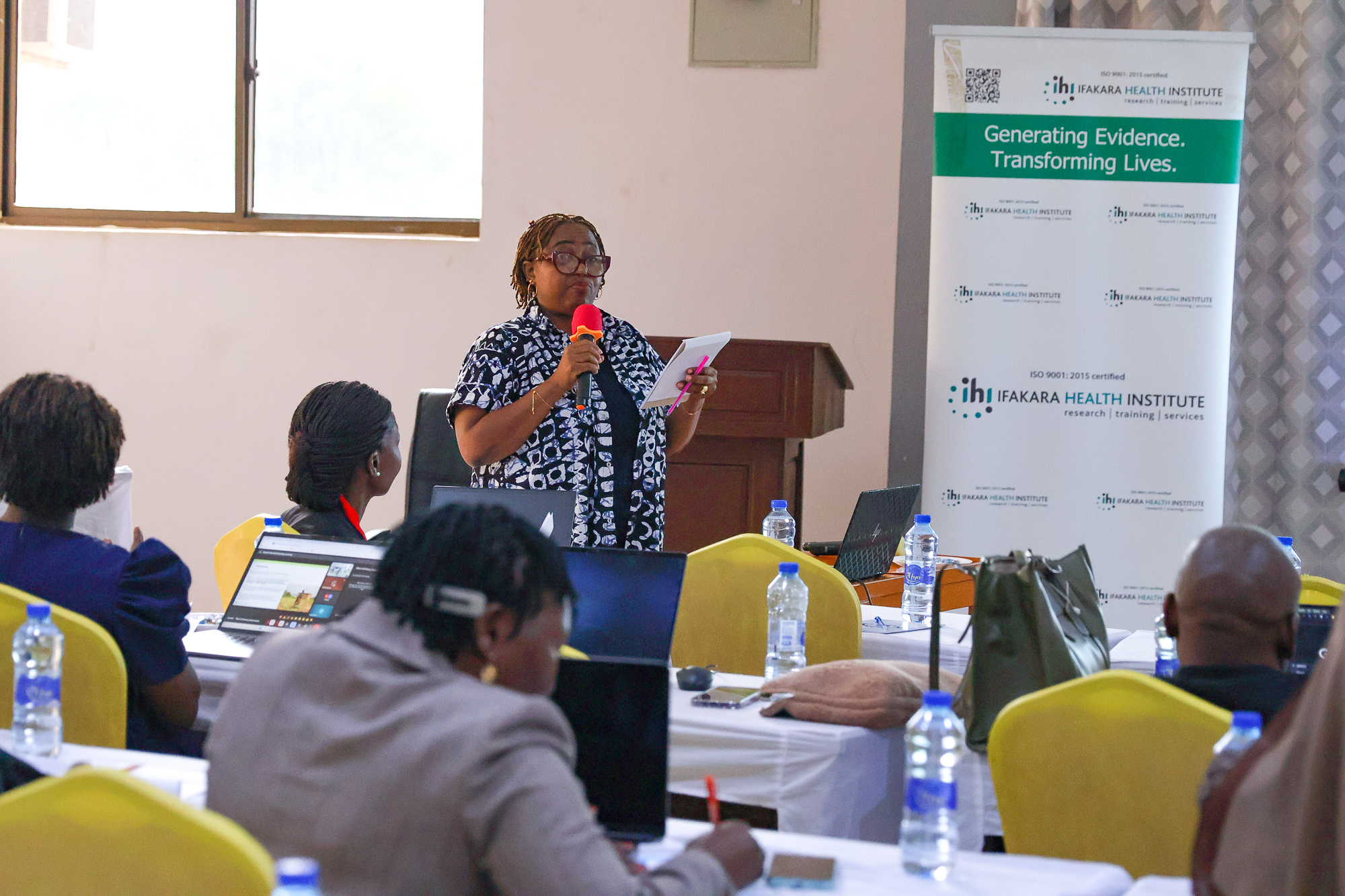
Researchers from the Ifakara Health Institute, as part of the SPIRIT Study, joined health leaders and policymakers in Morogoro, Tanzania for a dissemination workshop—an important step toward generating evidence to support cervical cancer elimination in Tanzania.
Bringing together key health stakeholders
Held on February 24, 2026, the workshop convened stakeholders from the Ministry of Health (MoH), the Prime Minister’s Office – Regional Administration and Local Government (PMO-RALG), the Morogoro Regional Secretariat, St. Francis Regional Referral Hospital, and Kibaoni Health Center.
The officials included Director and Head of Non-Communicable Diseases at the MoH, Dr. Omary Ubuguyu and Coordinator Research and Publication at PMO-RALG, Dr. James Kengia.
The meeting aimed to share key research findings, reflect on lessons learned, and gather recommendations to strengthen cervical cancer screening and care programs across the region.
Sharing evidence and lessons from the SPIRIT study
The dissemination workshop was spearheaded by seasoned senior scientist and project principal investigator Dr. Sally Mtenga and project leader Dr. Grace Mhalu, alongside colleagues from Swiss TPH who joined virtually via Zoom. PhD students from Tanzania, Switzerland and Ghana, whose theses are embedded within the SPIRIT study, also participated in the discussions.
During the workshop, the research team presented key findings from the SPIRIT project, highlighting achievements such as improved cervical cancer screening uptake, as well as persistent challenges including barriers to screening, gaps in quality of care, and delays in accessing treatment.
Participants actively engaged in discussions to provide feedback that will help refine the study’s analysis and inform the final phase of implementation.
Call for policy impact and community benefit
In his opening remarks, Morogoro Regional Medical Officer (RMO), Dr. Best Magoma, applauded the research team for selecting Morogoro as the study site and emphasized the importance of translating research into action.
“We appreciate the SPIRIT team for choosing Morogoro as the study area. The findings from this research must go beyond academic publications—they should directly benefit our communities and inform policy decisions at regional and national levels,” he said.
He further underscored the importance of promoting positive lifestyle practices as part of cervical cancer prevention efforts and the need for collaboration between researchers, health managers, and policymakers to ensure that evidence leads to measurable improvements in service delivery.
Representatives from the Ministry of Health welcomed the SPIRIT study outcomes and stressed the need for more meaningful public awareness about cervical cancer. They noted that communication strategies should be clear, culturally appropriate, and encouraging—ensuring that women and their partners are not discouraged or frightened when receiving screening results.
Strengthening implementation and mobilizing resources
Stakeholders further discussed how the evidence generated through SPIRIT can guide tailored implementation strategies to increase screening uptake, ensure timely treatment, and strengthen coordination across health facilities.
They also encouraged the research team to use the study findings as an advocacy tool to mobilize resources and funding to scale up effective interventions.
As part of its broader dissemination plan, the SPIRIT team will conduct another workshop in Ifakara, Morogoro—the primary study area—to engage regional health leaders and community stakeholders.
The workshop marks an important milestone toward a future where cervical cancer is no longer a major public health threat in Tanzania.
More about the SPIRIT Study
The SPIRIT project, titled “Towards the Elimination of Cervical Cancer in Tanzania: Participatory Research for Tailored Implementation Strategies,” is a 44-month initiative implemented by the Ifakara Health Institute. Launched in September 2022 and running through April 2026, the project focuses on addressing the “first delay” in cervical cancer care—low uptake of screening services.
Using participatory research approaches in Kilombero District, Morogoro Region, SPIRIT examines barriers that prevent women from accessing timely screening and treatment, while working closely with communities and health systems to develop locally tailored solutions.
The project is funded by the Swiss National Science Foundation (SNSF).
Learn more here.