

LEGACY: Dr. Prosper Chaki’s contribution to science, public health
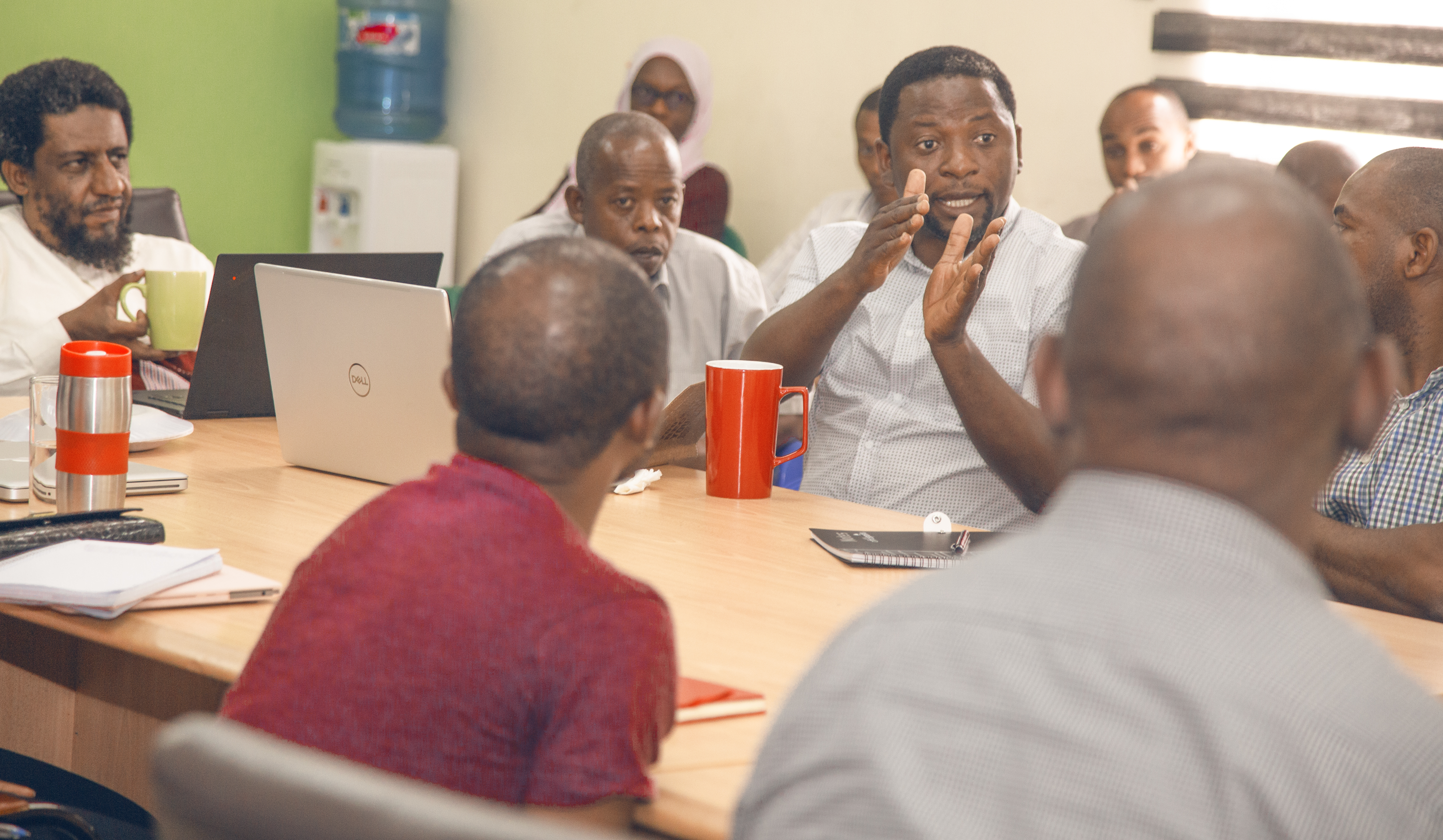
The Ifakara Health Institute solemnly remembers Dr. Prosper Pius Chaki, a distinguished research scientist, respected leader, mentor and dedicated champion of public health whose work shaped malaria research and control in Tanzania and beyond. Dr. Chaki passed away on 24 January 2026 at Muhimbili National Hospital in Dar es Salaam.
Throughout his career – and particularly during his long tenure at Ifakara – Dr. Chaki’s work was grounded in the belief that science must serve people. He understood that research truly matters when it improves lives, protects communities, and informs better decisions for the public good.
Over two decades of service at Ifakara
Dr. Chaki dedicated more than two decades of service to Ifakara, having joined the Institute in the early 2000s as a research assistant. Through scientific excellence and commitment, he rose to the position of Chief Research Scientist and later served as Director of Resource Mobilization and Stakeholder Engagement. In every role, he remained humble and led with purpose.
Transforming malaria research and control
Dr. Chaki made substantial contributions to malaria vector control, monitoring, and surveillance, strengthening the evidence base for community-driven and cost-effective interventions.
His contribution in research is cemented in several landmark malaria projects he led at Ifakara, including two phases of the China–UK–Tanzania project, Application of Integrated Community-based Interventions to Reduce Malaria (ACOBISREM), implemented in Rufiji, Kilwa, and Kibiti between 2015 and 2021. The project achieved an estimated 66% reduction in parasite prevalence. He also led the IPTi Project in the Lindi and Mtwara regions, protecting infants from malaria by integrating preventive treatment into routine immunization services. These were not just projects; they were practical solutions that saved lives.
Dr. Chaki’s career was rooted in scientific evidence and community impact. Whether working in villages, collaborating with district authorities, or advising national programmes, he consistently bridged rigorous research with real-world action.
Extensive scientific output and global collaboration
Over the years, Dr. Chaki contributed to a large body of scientific work in multiple roles. He authored and co-authored over 100 publications, most of which focused on mosquito biology, vector control and malaria transmission.
His research portfolio also involved statistical and modelling studies, integrating environmental, entomological, and epidemiological data to predict malaria risk and the impact of interventions such as larviciding.
These contributions helped bridge science, community action, and policy to support more effective malaria control efforts.
More on his scientific output, here.
Impact on policy and practice
Dr. Chaki’s influence extended far beyond academic publication. His work informed malaria policy and programming at both national and global levels.
In Tanzania, his research supported national malaria control strategies, including evidence for reactive, community-based testing and response approaches and surveillance systems that improve the targeting and efficiency of interventions.
He also played a central role in strengthening Tanzania’s entomological surveillance capacity, covering 186 villages, helping establish a nationwide network that continues to guide evidence-based malaria control today.
A legacy that will endure
Beyond his scientific achievements, Dr. Chaki will be remembered for his exemplary mentorship, calm guidance, and commitment to building African scientific capacity. He mentored colleagues across generations and firmly believed in collaboration, the sharing of knowledge, and in lifting others as he advanced.
Though no longer with us, his legacy endures – in the programmes that continue to save lives, the evidence that shapes policy, and the communities that benefit from his life’s work.
As we honour Dr. Chaki’s memory, we recommit to the values he stood for: science with purpose, leadership with humility, and service with compassion.