

Principal Investigator: Dr. Tegemeo Gavana
Project leader/ Coordinator: Douglas Ndowo
Project Administrator: Felix Brown
Funding Partner: Gates Foundation through Southern Medical University
Start date: June 17, 2026
End date: Dec. 31, 2028
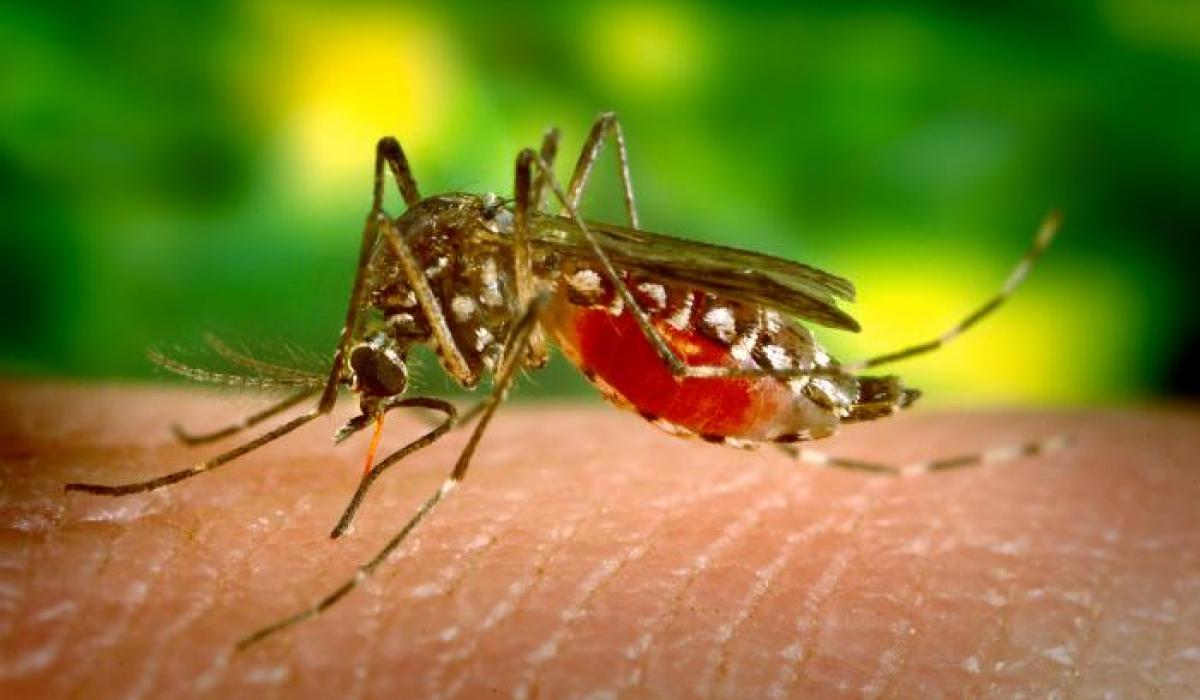
Developing and testing an eco-friendly larvicide to reduce outdoor and residual malaria transmission
Ifakara Health Institute and its partners are implementing the project “Development and Evaluation of a Novel Eco-Friendly Compound Viral Larval Control Product to Reduce Outdoor and Residual Malaria Transmission in Sub-Saharan Africa.” Funded by the Gates Foundation, the project aims to develop and evaluate a new eco-friendly mosquito larval control product designed to reduce outdoor and residual malaria transmission while providing longer-lasting protection. It runs from 17 June 2026 to 31 December 2028, covering approximately two and a half years of research and evaluation.
Addressing the limits of existing larvicides
The project addresses a key limitation of existing biological larvicides, which often remain effective for only about seven days and therefore require frequent reapplication. This can increase operational costs and the logistical burden of mosquito control programmes.
Combining two biological agents
The proposed product combines Bacillus thuringiensis var. israelensis (Bti), a naturally occurring bacterium that rapidly kills mosquito larvae, with mosquito densovirus (MDV), a naturally occurring mosquito virus that can cause mortality, delay development and reduce adult mosquito emergence, longevity or reproduction.
The combination is designed to provide rapid larval killing while maintaining longer-lasting biological control in mosquito breeding habitats. The approach could help extend larval control beyond short-term suppression and reduce mosquito emergence in breeding habitats.
Testing effectiveness in Tanzania
The study will evaluate the effectiveness and residual activity of the Bti+MDV combination against larvae of major mosquito species, including Anopheles gambiae, Anopheles arabiensis, Anopheles funestus and Aedes aegypti, using semi-field microcosm systems in Tanzania.
Researchers will also assess whether exposure to sub-lethal doses affects the fitness of adult Anopheles arabiensis, Anopheles funestus and Aedes aegypti, including their development, longevity and reproductive potential.
Led by Ifakara and international partners
The project is led by Dr Tegemeo Gavana, Entomologist and Senior Research Scientist at Ifakara Health Institute (IHI), with support from Research Officer Douglas Ndowo and project administration support from Felix Brown.
IHI is collaborating with Southern Medical University, the prime grant recipient and lead institution for compound larvicide development; the National Institute for Parasitic Diseases (NIPD) of the Chinese Center for Disease Control and Prevention (China CDC) for partner coordination; and the University of Notre Dame for technical support.