

Principal Investigator: Dr. Susan Rumisha
Project leader/ Coordinator: Dr. Susan Rumisha
Project Administrator: Diana Mwanamboka
Funding Partner: Wellcome Trust
Start date: Nov. 1, 2024
End date: Oct. 31, 2028
Modelling for Decisions in a Dynamic Africa (MoDD Africa)
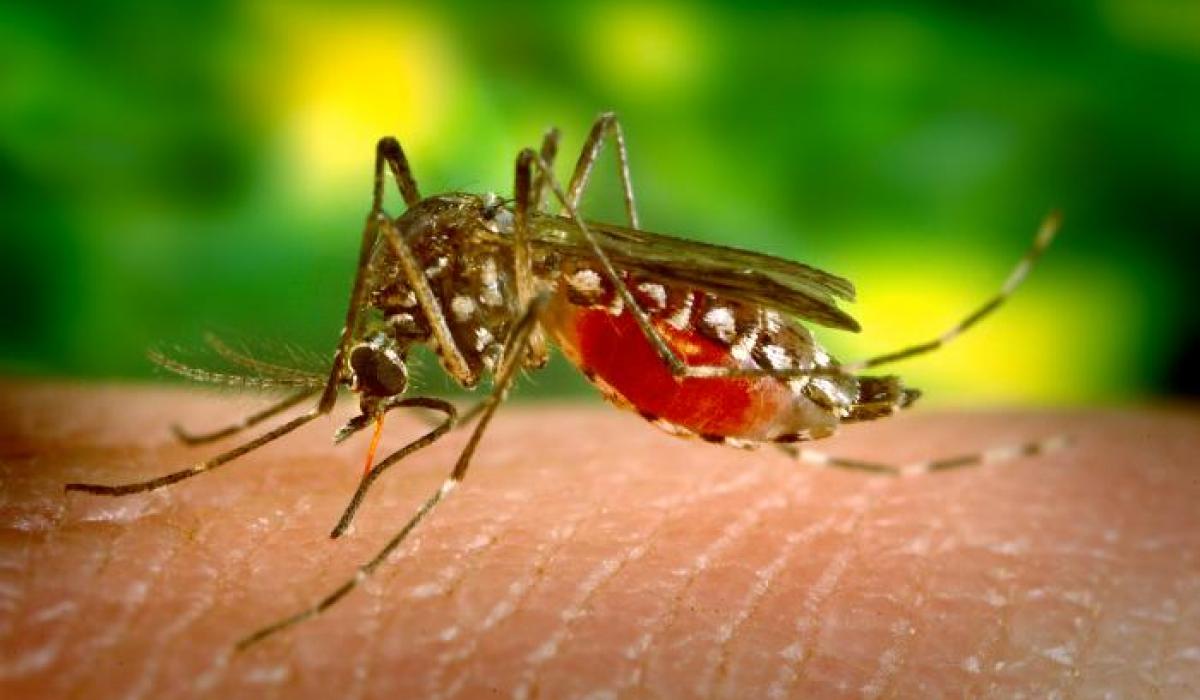
Ifakara Health Institute is spearheading a new project, Modelling for Decisions in a Dynamic Africa (MoDD Africa), in partnership with institutions from the Democratic Republic of Congo (DRC) and Nigeria, to address the challenges posed by Africa’s changing and uncertain climate on vector-borne diseases, particularly malaria.
Background: Climate and Health Challenges in Africa
Africa’s climate is undergoing rapid changes that are influencing the population, distribution, and seasonal abundance of disease vectors, thereby escalating the risks of vector-borne diseases. These environmental shifts demand a proactive approach to understanding and mitigating the impacts on health systems and public health decision-making.
Key priorities include:
- Assessing the effectiveness of health systems for disease control.
- Evaluating the adaptability of public health decision-makers to emerging threats.
- Monitoring the distribution and seasonality of key vectors to guide interventions.
- To address these challenges, optimized interventions, functional early warning tools, and robust evidence are essential.
Introducing MoDD Africa
MoDD Africa envisions a collaborative African network that provides model-based evidence, advice, and forecasting tailored to support public health decision-making for mosquito-borne diseases, with a primary focus on malaria.
Hubs and Partners
The project will establish hubs in three countries:
- Tanzania: Hosted by Ifakara Health Institute, serving as the regional coordinator and main recipient of funds.
- DRC: Led by the National Institute for Biomedical Research (INRB).
- Nigeria: Led by the Osun State University.
Key collaborators include National Malaria Programs and research institutions, ensuring a robust partnership network.
Project Approach
The initiative is structured around an Effective, Robust, and Adaptable (ERA) modeling architecture, enabling the achievement of set objectives. The study will include four Work Packages (WPs), which include;
- WP1 (Implementation): Investigating the relationship between environmental changes, vectors, diseases, and health systems.
- WP2 & WP3 (Implementation system): Developing solutions to optimize the performance of new and existing malaria interventions.
- WP4 (Operational): Producing outputs for immediate utility and impact.
Key Deliverables
Over the next four years (November 2024 to October 2028), MoDD Africa aims to:
- Establish modeling hubs in Tanzania, DRC, and Nigeria.
- Develop relevant, model-based advisory systems.
- Facilitate knowledge sharing through; inter-hub collaborations and training programs; hackathons and modeling competitions; and participation in the Community of Practice (CoP) in vector epidemiology and modeling ecosystem
- Formation of a strong Evidence Synthesis Unit
Leadership and Next Steps
Dr. Susan Rumisha of Ifakara Health Insitute will lead efforts to establish the modeling hubs, fostering regional collaboration and capacity building. The hubs will analyze the effects of environmental changes on malaria, assess public health system resilience, and monitor mosquito vector dynamics. While the initial focus is on malaria, the initiative could expand to include other mosquito-borne diseases, such as arboviruses.