

#WRD2026: We’re stronger together against rabies!
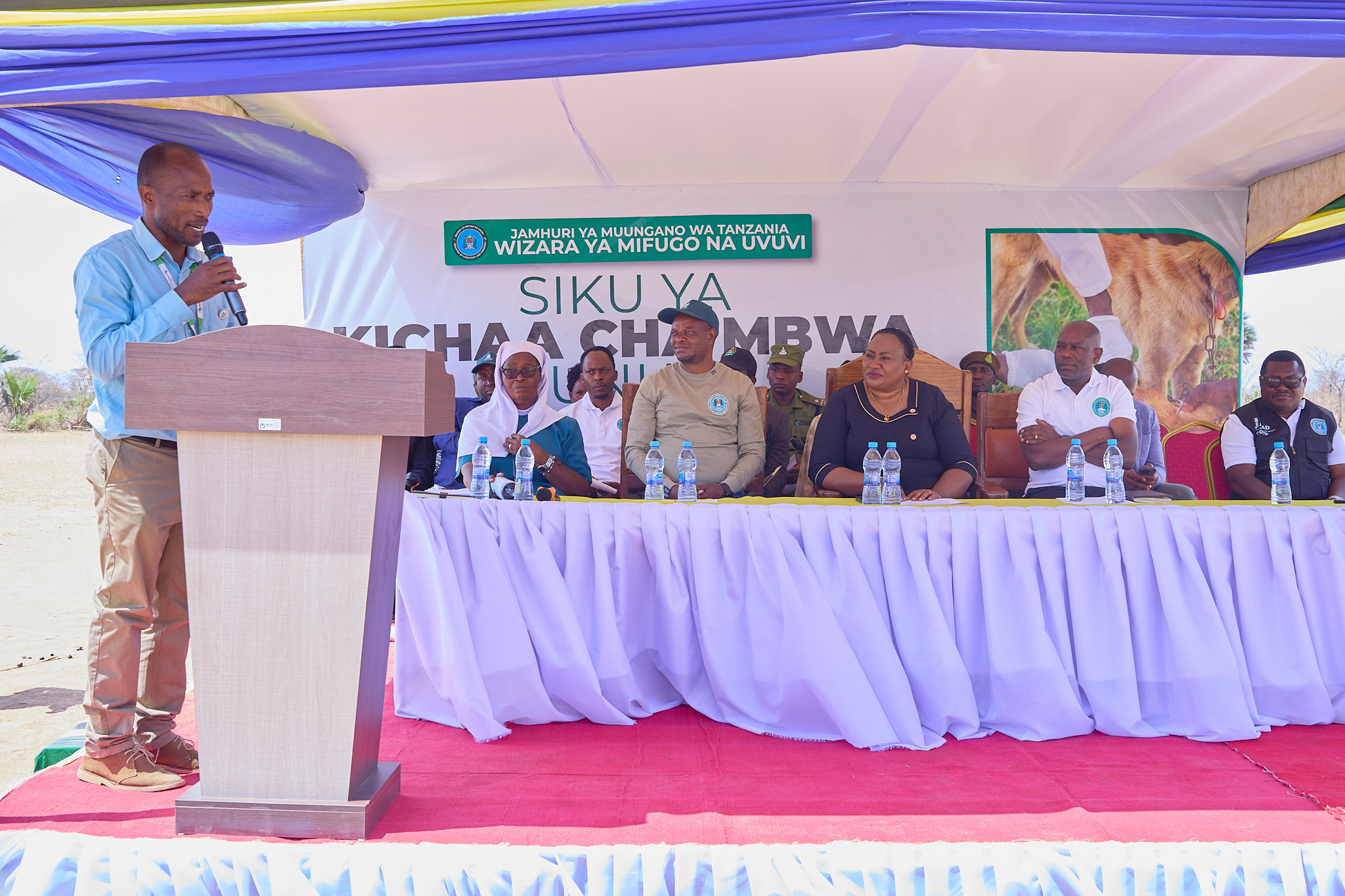
“Stronger Together”, that was the message bringing together government leaders, researchers, health professionals, communities and partners in Nzega, Tabora, as Tanzania joined the world to commemorate World Rabies Day on September 28, 2026.
The Ifakara Health Institute participated in and co-organized this year’s commemoration event in collaboration with the Government of Tanzania, bringing together research, community action and One Health approaches to highlight the importance of working collectively to prevent and eliminate rabies.
Nzega District Commissioner, Naitapwaki Tukai, graced the event. The DC was joined by stakeholders and community members in highlighting the importance of protecting both people and animals from this preventable disease.
Prevention starts with action
The commemoration featured practical rabies prevention activities, including vaccination of dogs and cats across participating communities. Throughout the commemoration week, 14,450 dogs and cats were vaccinated, demonstrating the scale of collective action being taken to protect communities and animals from rabies.
Dog vaccination remains central to rabies elimination because controlling the disease at its main source is critical to protecting communities from human rabies. For Ifakara, this community-level action reflects a much broader body of research aimed at finding better, more effective and sustainable ways to prevent rabies.
Ifakara research supporting rabies elimination
Ifakara’s rabies research portfolio reflects the Institute’s contribution to preventing and eliminating rabies through One Health approaches, vaccination, clinical research and innovative surveillance. Current initiatives include the SOS-Rabies Project, which is strengthening One Health systems and access to rabies prevention and care; the Improving Dog Vaccinations in Africa Project, which is testing approaches to improve mass dog vaccination and community participation; and RAB003, which is exploring simpler rabies vaccine regimens to make post-exposure protection more accessible.
The Institute is also advancing genomic surveillance through the Genomic Epidemiology to Underpin One Health Surveillance for Rabies project, which is developing the Rabies Accessible GEnomic (RAGE) toolkit to support the analysis and tracking of rabies transmission. Together, these efforts demonstrate how Ifakara’s research contributes to stronger rabies prevention, improved vaccination strategies, innovative tools and evidence-based approaches that support Tanzania’s goal of eliminating rabies.
Bringing science closer to communities
During the event, the DC visited Ifakara’s exhibition booths to learn more about the Institute’s work in improving health and wellbeing through research, innovation and cutting-edge technologies.
Ifakara scientist Dr. Kennedy Lushasi took the DC through the Institute’s broader portfolio, highlighting how research, science and technology are being used to address some of Tanzania’s most pressing health challenges.
Joel Changalucha then took her through Ifakara’s rabies research and innovations, providing an opportunity to demonstrate how scientific evidence is being translated into practical approaches for rabies prevention and control.
The engagement highlighted the importance of connecting research with action—and ensuring that innovations developed through science can reach the communities and health systems that need them.
Looking ahead
The World Rabies Day commemoration also provided an opportunity to celebrate Ifakara’s long-standing contribution to health research and innovation.
During the engagement, Dr. Lushasi invited the District Commissioner to join Ifakara in celebrating its 70th Anniversary this November, under the theme “70 Years of Impact: Roots, Reach and What's Next”.
Seven decades into its journey, Ifakara continues to connect science with the needs of communities, working with governments, partners and communities to generate evidence, develop innovations and strengthen health systems.