
ENGAGEMENT: UN agencies introduced to Beginnings Fund
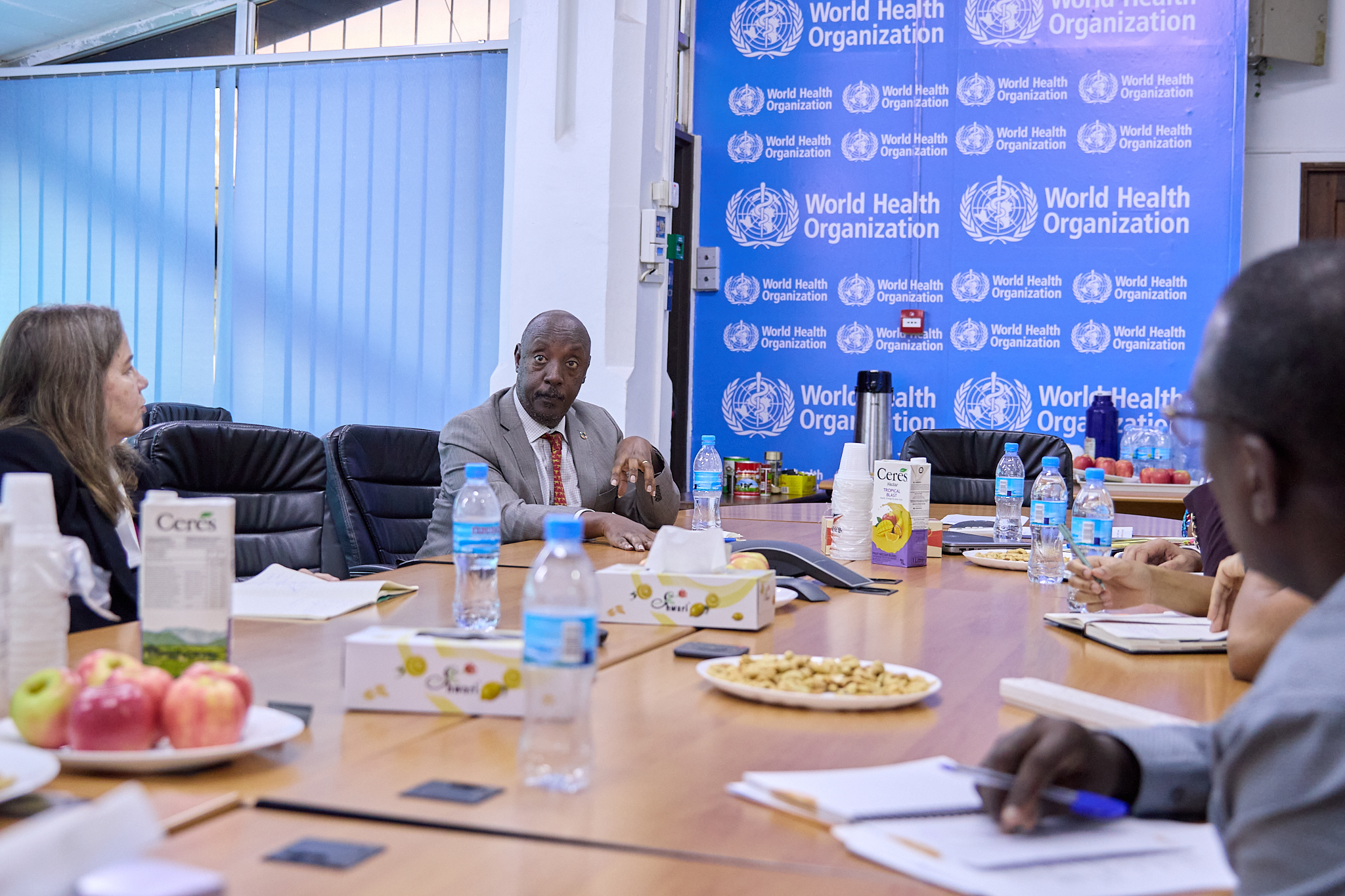
On 19 August 2026, Ifakara Health Institute (IHI), on behalf of the Beginnings Fund, convened representatives from the World Health Organization (WHO), United Nations Children’s Fund (UNICEF), and United Nations Population Fund (UNFPA) to introduce the programme and explore areas of collaboration to strengthen maternal and newborn health in Tanzania.
Anne Magege, Program Director for the Beginnings Fund, and Dr Donat Shamba, Program Manager for Maternal and Newborn Health under the Beginnings Fund investment in Tanzania, presented the programme and its priorities.
The Beginnings Fund is a government-led maternal and newborn health investment covering Tanzania Mainland and Zanzibar. In Mainland Tanzania, it is expected to reach 12 regions and 210 health facilities, with IHI serving as the overall coordination lead. The programme focuses on scaling high-impact interventions and strengthening health systems through investments in health commodities, workforce, infrastructure, data systems and advocacy.
Magege noted that the engagement was an opportunity to learn from partners’ expertise and experience as implementation progresses. Participants identified potential areas of collaboration and expressed willingness to support the initiative.
Dr Alex Gasasira, WHO Country Representative, expressed WHO’s readiness to support the initiative and continue discussions with the Beginnings Fund and IHI teams to identify practical areas of collaboration and coordination.
We look forward to continued engagement with our partners as we work together to advance maternal and newborn health in Tanzania.
About the programme
Launched in April 2025, the Beginnings Fund is a pan-African initiative committed to reducing preventable maternal and newborn deaths, with an ambitious target of saving more than 300,000 lives by 2030. The fund invests in strengthening health systems, building workforce capacity, and scaling low-cost, evidence-based innovations across Kenya, Malawi, Rwanda, Tanzania, Ethiopia, Ghana, Lesotho, Uganda, and Zimbabwe.
In Tanzania, the program is designed to accelerate progress toward national 2030 targets for reducing maternal and neonatal mortality and preventing stillbirths. It is projected to save approximately 51,334 lives by improving access to and quality of maternal and newborn health services nationwide.